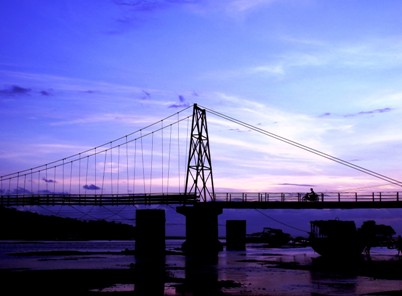
Coral Triangle Center (CTC) dibantu seorang volunteer Erasmus Mundus Msc - Cassandra Tania telah melakukan Willingness to Pay Study untuk Kawasan Konservasi Perairan (KKP) Nusa Penida. Study ini merupakan bagian dari kajian terkait pembuatan mekanisme pendanaan jangka panjang untuk KKP Nusa Penida.
Dari sekitar 300 responden yang diwawancarai terdiri dari turis mancanegara (Amerika, Eropa, Australia dan Asia) dan domestik (Indonesia) beserta dive and boat-cruise operator di dapatkan hasil bahwa rata-rata ingin berkontribusi atau memberikan sumbangan untuk upaya pengelolaan KKP Nusa Penida melalui pemberlakukan biaya masuk (entrance fee) berkisar antara $5 - $15.
CTC akan menggabungkan hasil Willingness to Pay Study ini bersama dengan profile wisata bahari Nusa Penida yang telah dibuat sebelumnya bekerjasama dengan mahasiswa Universitas Brawijaya dan biaya yang dibutuhkan untuk mengelola KKP Nusa Penida setiap tahunnya, guna menentukan mekanisme pendanaan jangka panjang KKP Nusa Penida. Pada prinsipnya mekanisme tersebut harus sesuai dengan aturan dan hukum yang berlaku, akuntable dan transparan.
Mekanisme pendanaan jangka panjang ini merupakan salah satu indikator di dalam tata kelola sebuah KKP disamping indikator ekologi dan sosial ekonomi.
Kamis, 17 November 2011


Kamis, 22 September 2011
Nusa Penida : Monitoring Terumbu Karang 2011

Coral Triangle Center (CTC) kembali mengadakan pelatihan dan monitoring kesehatan karang (reef health monitoring) 2011 di Nusa Penida. Kegiatan ini didanai oleh USAID-CTSP untuk project site Nusa Penida yang difasilitasi oleh CTC dan bertujuan sebagai data penunjang bagi pembuatan zonasi dan rencana pengelolaan jangka panjang KKP Nusa Penida. CTC sendiri bersama dengan DPPK Klungkung dan mitra lainnya telah melaksanakan kegiatan monitoring terumbu karang dan ikan secara rutin setiap tahun di Nusa Penida sejak 2002, dimana saat itu CTC masih berada dibawah TNC-IMP.
Kegiatan training Reef Health Monitoring (RHM) diikuti oleh para mahasiswa dari klub-klub selam di Universitas seperti IPB, UGM, UNDIP, Brawijaya dan UNHAS. CTC juga dibantu oleh para mitra seperti DPPK Klungkung, DKP Propinsi Bali, Reef Check Indonesia, TNC Indonesia Marine Program dan CORAL. Total 18 peserta dan fasilitator terlibat dalam pelatihan yang dilaksanakan selama 2 hari yaitu tanggal 6 dan 7 September.
Kegiatan training dilanjutkan dengan mengadakan monitoring kesehatan karang secara langsung di Kawasan Konservasi Perairan (KKP) Nusa Penida. Kegiatan RHM ini dilaksanakan mulai tanggal 8 - 13 September 2011. Monitoring dilakukan di 12 titik pengamatan di kedalaman 3 dan 10 meter. Metode yang digunakan untuk pengamatan terumbu karang adalah Point Intercept Transect (PIT), sementara untuk ikan dengan menggunakan visual sensus dan long-swim method. Pengamatan penyakit karang juga dilakukan oleh rekan-rekan dari TNC-IMP.
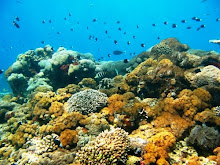
Hasil sementara dari kegiatan RHM adalah pada kedalaman 3 meter dijumpai percent cover terumbu karang 60%, sementara itu dikedalaman 10 meter adalah 80%.Terkait dengan penyakit karang, Dr. Joanne Wilson - Lead Scientist TNC-IMP mengatakan bawah berdasarkan hasil pengamatannya terumbu karang di Nusa Penida dalam kondisi sehat. Hampir tidak dijumpai penyakit di 12 titik pengamatan yang ada. Hal ini menunjukan bahwa kondisi terumbu karang di Nusa Penida masuk dalam kategori baik. Kegiatan pelatihan dan RHM juga diliput oleh team Expedition dari Metro-TV sebagai media partner.
Minggu, 31 Juli 2011
Kantor Coral Triangle Center (CTC) Diresmikan

Bertempat di jalan Danau Tamblingan No 78, Sanur - Bali, Indonesia, kantor Coral Triangle Center (CTC)- sebuah LSM Indonesia bergerak di bidang pelestarian sumberdaya hayati pesisir dan laut, khususnya di wilayah segitiga karang dunia (coral triangle) telah diresmikan pada tanggal 30 Juli 2011.
Pada acara launching kantor CTC, dihadiri oleh segenap mitra CTC baik dari Kementerian Kelautan dan Perikanan, perwakilan pemerintah Propinsi Bali, Kepala Dinas Peternakan, Perikanan dan Kelautan (DPPK) KLungkung, LSM, masyarakat Nusa Penida, para pengusaha wisata bahari, donor, dan para sahabat CTC.
Bapak Geaorge Tahija, Chair of Board CTC memberikan ucapan selamat datang dan sambutan bersama dengan Bapak Suseno - vice head of CTI regional secretariat dan Bapak Suarbawa, tokoh masyarakat yang sangat concern terhadap pelestarian dan pesisir laut di Nusa Penida.
CTC adalah sebuah LSM berbadan hukum Indonesia, fokus pada pengembangan kapasitas (capacity building) terkait konservasi kelautan di kawasan regional segitiga karang (coral triangle) yang meliputi enam negara yaitu Indonesia, Philipina, Malaysia, Timor Leste, Papua New Guinea dan Salomon Island. Program CTC juga dilaksanakan dalam rangka mendukung Coral Triangle Initiative (CTI).
Saat ini CTC bekerjasama dengan Kementerian Kelautan dan Perikanan dalam pengembangan berbagai pelatihan terkait konservasi laut dan sekolah untuk pengelolaan Kawasan Konservasi Perairan (school for MPA managers). CTC juga mengembangkan learning site di Nusa Penida sebagai site percontohan pengelolaan Kawasan Konservasi Perairan (KKP) dan juga jejaring pembelajaran (learning network) di tingkat regional.
Harapannya kedepan CTC akan menjadi regional hub terkait training and learning konservasi laut dengan didukung oleh ke-12 advisory boardnya yang berasal dari enam negera coral triangle.
www.coraltrianglecenter.org
Kamis, 28 Juli 2011
KKP Tetapkan Kawasan Konservasi Nusa Penida
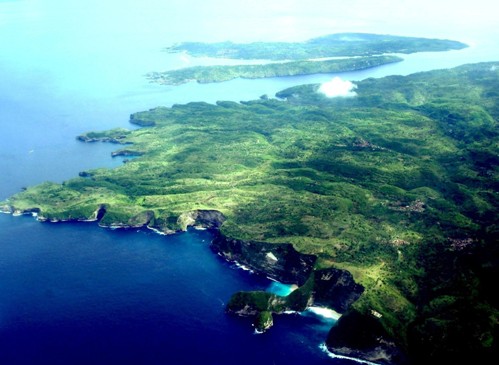
JAKARTA - Kementerian Kelautan dan Perikanan (KKP) menetapkan Nusa Penida, Bali,sebagai kawasan konservasi kelautan. Penetapan itu bertujuan melindungi kekayaan laut dan mengembangkan pariwisata, sehingga dapat meningkatkan ekonomi masyarakat setempat Luas areal kawasan konservasi Nusa Penida 20.057 hektare (ha).
"Masyarakat setempat umumnya nelayan, dan pendapatan mereka diperoleh dari laut Karena itu, kawasan di mana mereka menggantungkan hidup harus dilindungi," kata Menteri Kelautan dan Perikanan Fadel Muhammad di Denpasar, Bali, Minggu (21/11).
Fadel mengatakan, selain kawasan konservasi perairan Nusa Penida, kawasan serupa juga berada di beberapa wilayah Indonesia. Pembentukan kawasan tersebut menjadi bagian dari penerapan inisiatif segi tiga terumbu karang atau coral triangle inisiatif(Lil). Inisiatif segi tiga terumbu karang diprakarasi lima negara, yakni Indonesia, Filipina, Malaysia, Timor Leste, Papua Nugini, dan Kepulauan Solomon.
Kawasan konservasi perairan Nusa Penida ini akan mendukung dan memenuhi target Indonesia memiliki kawasan konservasi seluas 20 juta hektare pada tahun 2020. Kini terdapat total luas kawasan konservasi perairan 13 juta hektare.
Sebelum ditetapkan sebagai kawasan konservasi perairan, kawasan ini telah dikaji aspek ekologi laut yang dilakukan beberapa ahli kelautan dunia, seperti DR Emre Turak dan Gerry Allen tahun 2009. Dalam kajian dua ahli ekologi bereputasi internasional itu ditemukan 296 jenis karang dan 576 jenis ikan, lima jenis ikan di kawasan Nusa Penida spesies baru. Selain itu, terdapat 1.419 hektare terumbu karang, 230 hektare hutan mangrove dengan 13 jenis mangrove, dan 108 padang lamun dengan delapan jenis lamun.
Pembuatan Zona
Fadel menjelaskan, pihaknya kini sudah menetapkan zonasi kawasan konservasi perairan Nusa Penida sekaligus pendanaan jangka panjang. Pengembangan kawasan itu, kata Fadel, harus didukung pendanaan yang memadai guna memadukan pengembangan kelautan dan pariwisata.
Pengembangan kawasan ini selain diprakarsai KKP juga didukung The Nature Conservancy (TNC) Indonesia Marine Program dengan didukung oleh USAID Coral Triangle Support Partnership. Sebelumnya, Lembaga Pembangunan Internasional AS (USAID) berkomitmen untuk memberikan bantuan senilai USS 40 juta, guna mendukung upaya internasional untuk menyelamatkan coral triangle. Biota laut yang masuk dalam program penyelamatan itu yakni hutan bakau, terumbu karang, dan aneka ragam ikan.
USAID dan Deplu AS dalam rtset mereka menyebutkan, perusakan terumbu karang dan penangkapan ikan secara berlebihan akan mengancam keberlangsungan kehidupan masyarakat pesisir. Mereka, tulis riset USAID, 90% menggantungkan hidup di laut
Penghancuran itu juga mengakibatkan kerusakan yang tidak dapat diperbaiki pada ekosistem lingkungan hidup Indonesia yang unik. CTI yang didukung pendanaan oleh USAID berupaya untuk melindungi 6 juta kilometer persegi lautan dan pesisir yang kini terancam rusak.
Coral triangle menjadi pertemuan antara Samudera Hindia dan Pasifik serta menjadi tempat bagi 30% terumbu karang dunia dan 75 % jenis terumbu karang yang sudah dikenal luas di dunia.
Sementara itu. Sekretaris Jenderal (Sekjen) Koalisi Rakyat untuk Keadilan Perikanan (Kiara) Riza Damanik mengatakan, upaya pemerintah menggenjot produksi perikanan tangkap harus diimbangi dengan upaya melindungi nelayan tradisional.
Menurut Riza, nelayan tradisional menyumbang 75% volume produksi perikanan nasional. Karena itu, pemerintah perlu mendukung nelayan dengan menyediakan fasilitas yang diperlukan. "Subsidi bahan bakar minyak (BBM) dan diversifikasi penggunaan gas harap segera direalisasikan," kata Riza, (jjr)
http://www.kkp.go.id/index.php/arsip/c/3625/KKP-Tetapkan-Kawasan-Konservasi-Nusa-Penida/?category_id=58
"Masyarakat setempat umumnya nelayan, dan pendapatan mereka diperoleh dari laut Karena itu, kawasan di mana mereka menggantungkan hidup harus dilindungi," kata Menteri Kelautan dan Perikanan Fadel Muhammad di Denpasar, Bali, Minggu (21/11).
Fadel mengatakan, selain kawasan konservasi perairan Nusa Penida, kawasan serupa juga berada di beberapa wilayah Indonesia. Pembentukan kawasan tersebut menjadi bagian dari penerapan inisiatif segi tiga terumbu karang atau coral triangle inisiatif(Lil). Inisiatif segi tiga terumbu karang diprakarasi lima negara, yakni Indonesia, Filipina, Malaysia, Timor Leste, Papua Nugini, dan Kepulauan Solomon.
Kawasan konservasi perairan Nusa Penida ini akan mendukung dan memenuhi target Indonesia memiliki kawasan konservasi seluas 20 juta hektare pada tahun 2020. Kini terdapat total luas kawasan konservasi perairan 13 juta hektare.
Sebelum ditetapkan sebagai kawasan konservasi perairan, kawasan ini telah dikaji aspek ekologi laut yang dilakukan beberapa ahli kelautan dunia, seperti DR Emre Turak dan Gerry Allen tahun 2009. Dalam kajian dua ahli ekologi bereputasi internasional itu ditemukan 296 jenis karang dan 576 jenis ikan, lima jenis ikan di kawasan Nusa Penida spesies baru. Selain itu, terdapat 1.419 hektare terumbu karang, 230 hektare hutan mangrove dengan 13 jenis mangrove, dan 108 padang lamun dengan delapan jenis lamun.
Pembuatan Zona
Fadel menjelaskan, pihaknya kini sudah menetapkan zonasi kawasan konservasi perairan Nusa Penida sekaligus pendanaan jangka panjang. Pengembangan kawasan itu, kata Fadel, harus didukung pendanaan yang memadai guna memadukan pengembangan kelautan dan pariwisata.
Pengembangan kawasan ini selain diprakarsai KKP juga didukung The Nature Conservancy (TNC) Indonesia Marine Program dengan didukung oleh USAID Coral Triangle Support Partnership. Sebelumnya, Lembaga Pembangunan Internasional AS (USAID) berkomitmen untuk memberikan bantuan senilai USS 40 juta, guna mendukung upaya internasional untuk menyelamatkan coral triangle. Biota laut yang masuk dalam program penyelamatan itu yakni hutan bakau, terumbu karang, dan aneka ragam ikan.
USAID dan Deplu AS dalam rtset mereka menyebutkan, perusakan terumbu karang dan penangkapan ikan secara berlebihan akan mengancam keberlangsungan kehidupan masyarakat pesisir. Mereka, tulis riset USAID, 90% menggantungkan hidup di laut
Penghancuran itu juga mengakibatkan kerusakan yang tidak dapat diperbaiki pada ekosistem lingkungan hidup Indonesia yang unik. CTI yang didukung pendanaan oleh USAID berupaya untuk melindungi 6 juta kilometer persegi lautan dan pesisir yang kini terancam rusak.
Coral triangle menjadi pertemuan antara Samudera Hindia dan Pasifik serta menjadi tempat bagi 30% terumbu karang dunia dan 75 % jenis terumbu karang yang sudah dikenal luas di dunia.
Sementara itu. Sekretaris Jenderal (Sekjen) Koalisi Rakyat untuk Keadilan Perikanan (Kiara) Riza Damanik mengatakan, upaya pemerintah menggenjot produksi perikanan tangkap harus diimbangi dengan upaya melindungi nelayan tradisional.
Menurut Riza, nelayan tradisional menyumbang 75% volume produksi perikanan nasional. Karena itu, pemerintah perlu mendukung nelayan dengan menyediakan fasilitas yang diperlukan. "Subsidi bahan bakar minyak (BBM) dan diversifikasi penggunaan gas harap segera direalisasikan," kata Riza, (jjr)
http://www.kkp.go.id/index.php/arsip/c/3625/KKP-Tetapkan-Kawasan-Konservasi-Nusa-Penida/?category_id=58
Wakil Menteri Luar Negeri Amerika Serikat Ke Nusa Penida

Berkaitan dengan serangkaian acara Kunjungan Menteri Luar Negeri Amerika Serikat - Hillary Clinton ke Bali pada minggu ketiga Juli 2011, Mario Otero - Wakil Hillary Clinton berkesempatan mengunjungi Kawasan Konservasi Perairan (KKP) Nusa Penida pada tanggal 22 Juli 2011. Kunjungan Maria Otero tersebut untuk melihat salah satu lokasi KKP yang didanai oleh USAID Indonesia.
Pada kunjungan tersebut Wakil Menteri Luar Negeri Amerika Serikat tersebut didampingi oleh Direktur Lingkungan USAID Indonesia - Alfred Nakatsuma, Manager program Kelautan USAID Indonesia Celly Catharina, Kepala Dinas Peternakan, Perikanan dan Kelautan Kabupaten Klungkung yang juga sebagai Ketua POKJA KKP Nusa Penida - Drh I.G.N Badiwangsa, Kabid Pulau Pulau Kecil - DPPK Klungkung - Rudiana, CTC MPA Learning Site Manager - Marthen Welly, CTC Outreach Coordinator - Wira Sanjaya, Godan Renosari - Deputi Conservation TNC dan Rudyanto - CSTP Manager TNC.
Pada kesempatan tersebut Ketua POKJA KKP Nusa Penida menjelaskan proses pembentukan KKP Nusa Penida dan kemajuan program terkait KKP Nusa Penida. Mario Otero juga sempat berbincang dan berdiskusi dengan masyarakat di Nusa Lembongan terkait POKMASWAS guna menanggulangi aktivitas menangkap ikan dengan cara merusak di dalam KKP Nusa Penida.
Marthen Welly dari CTC juga menjelaskan kondisi terumbu karang dan mangrove di Nusa penida serta manfaatnya bagi masyarakat Nusa Penida sehingga penting untuk dilindungi melalui pembentukan KKP yang didukung oleh USAID Indonesia.
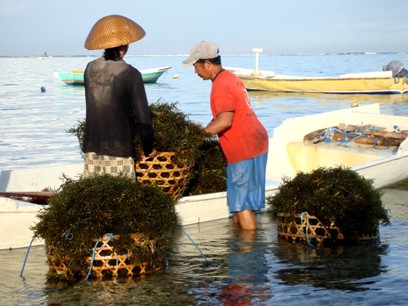
Sebelum pulang menuju Tanjung Benoa, Maria Otero dan rombongan berkesempatan menyusuri perairan di sekitar Nusa Lembongan dan Nusa Penida untuk melihat secara langsung ekosistem mangrove, kegiatan pariwasata bahari, kegiatan perikanan dan budidaya rumput laut.
Mario Otero mengatakan bahwa pemerintah Amerika Serikat pada prinsipnya sangat senang mendukung upaya pelestarian sumberdaya pesisir dan laut di Nusa Penida untuk kesejahteraan masyarakat Nusa Penida.
Foto by USAID Indonesia
Profil Kawasan Konservasi Perairan (KKP) Nusa Penida

Coral Triangle Center (CTC) yang sebelumnya bernaung dibawah The Nature Conservancy bekerjasama dengan Kementerian Kelautan dan Perikanan dan Pemerintah Kabupaten Klungkung telah menerbitkan Profil Kawasan Konservasi Perairan (KKP) Nusa Penida, Kabupaten Klungkung - Bali. KKP Nusa Penida sendiri telah dicadangkan melalui Peraturan Bupati Klungkung No.12 tahun 2010 dengan total luas 20.057 hektar.
Profil KKP Nusa Penida setebal 78 halaman ini memuat kondisi umum Kecamatan Nusa Penida, potensi wisata bahari dan potensi perikanan. Selain itu di dalam Profil ini juga terdapat data data ekologi, sosial ekonomi dan oseanografi dari berbagai survey yang dilakukan CTC bersama para mitra. Data-data tersebut diantaranya data jenis terumbu karang, jenis ikan, jenis mangrove, jenis padang lamun, jenis burung, jenis mega-fauna laut, lokasi-lokasi penyelaman (dive point), lokasi-lokasi penangkapan ikan (fishing ground) dan data budaya serta matapencaharian masyarakat Nusa Penida.
Penyusun Profil ini adalah Nyoman Dharma, SH (Ketua POKJA KKP Nusa Penida dari PemKab Klungkung), Drs. Riyanto Basuki, MSi (Kabid KKP Kementerian Kelautan dan Perikanan, Ir. Marthen Welly (CTC Nusa Penida Project Leader).
Profil bisa didapatkan di kantor CTC dan pembuatan profil ini didanai oleh USAID-CTSP Indonesia.
CTC Survey Hutan Bakau (Mangrove) Nusa Penida
Coral Triangle Center (CTC) bekerjasama dengan Badan Pengelola Hutam Mangrove (BPHM) wilayah 1 telah melakukan survey untuk mengidentifikasi jenis hutan bakau (mangrove) di Nusa Penida, Nusa Lembongan dan Nusa Ceningan. Dalam survey tersebut juga dilakukan identifikasi jenis burung yang ada di ekosistem mangrove tersebut.
Hasil identifikasi mangrove yang dilakukan CTC bersama BPHM wilayah 1 di Nusa Penida adalah ditemukannya sebanyak 13 jenis (spesies) mangrove dan 30 jenis burung, 5 diantaranya adalah jenis burung air.
Marthen Welly, CTC Nusa Penida project Leader mengatakan bahwa sebarang mangrove di kecamatan Nusa Penida umumnya berada di dua pulau yaitu Nusa Lembongan dan Nusa ceningan dengan total luas 230,07 hektar. Lebih lanjut Marthen menambahkan bahwa hutan bakau (mangrove) merupakan salah satu ekosistem penting pesisir selain padang lamun dan terumbu karang.
Fungsi penting hutan bakau (mangrove) bagi Kecamatan Nusa Penida yang telah dideklarasikan sebagai Kawasan Konservasi Perairan (KKP) oleh Menteri Kelautan dan Perikanan bersama dengan Gubernur Bali, Bupati Klungkung dan Duta Besar Amerika untuk Indonesia pada bulan November 2010 adalah sebagai tempat berkembang-biak, mencarai makan dan berlindung bagi ikan dan biota laut lainnya. Selain itu hutan bakau (mangrove) berfungsi sebagai benteng alami pantai untuk meredam hempasan ombak dan gelombang sehingga terhindar dari abrasi.
Data lengkap mengenai jeni-jeni hutan bakau (mangrove) dan burung di Nusa Penida dapat dilihat pada : Profil Kawasan Konservasi Perairan Nusa Penida, Kabupaten Klungkung, Bali.
Hasil identifikasi mangrove yang dilakukan CTC bersama BPHM wilayah 1 di Nusa Penida adalah ditemukannya sebanyak 13 jenis (spesies) mangrove dan 30 jenis burung, 5 diantaranya adalah jenis burung air.
Marthen Welly, CTC Nusa Penida project Leader mengatakan bahwa sebarang mangrove di kecamatan Nusa Penida umumnya berada di dua pulau yaitu Nusa Lembongan dan Nusa ceningan dengan total luas 230,07 hektar. Lebih lanjut Marthen menambahkan bahwa hutan bakau (mangrove) merupakan salah satu ekosistem penting pesisir selain padang lamun dan terumbu karang.
Fungsi penting hutan bakau (mangrove) bagi Kecamatan Nusa Penida yang telah dideklarasikan sebagai Kawasan Konservasi Perairan (KKP) oleh Menteri Kelautan dan Perikanan bersama dengan Gubernur Bali, Bupati Klungkung dan Duta Besar Amerika untuk Indonesia pada bulan November 2010 adalah sebagai tempat berkembang-biak, mencarai makan dan berlindung bagi ikan dan biota laut lainnya. Selain itu hutan bakau (mangrove) berfungsi sebagai benteng alami pantai untuk meredam hempasan ombak dan gelombang sehingga terhindar dari abrasi.
Data lengkap mengenai jeni-jeni hutan bakau (mangrove) dan burung di Nusa Penida dapat dilihat pada : Profil Kawasan Konservasi Perairan Nusa Penida, Kabupaten Klungkung, Bali.
CTC Survey Padang Lamun (Seagrass) Nusa Penida
Coral Triangle Center (CTC) bekerjasama dengan Pusat Studi Kelautan Universitas Undayana, telah mengadakan survey jenis Padang Lamun (Seagrass) yang terdapat di Nusa Penida pada tahun 2010.
Dari survey seagrass yang dilakukan CTC dan Universitas Udayana selama 1 minggu tersebut ditemukan sebanyak 8 spesies (jenis) lamun di Nusa Lembongan dan Nusa Penida. Denny Yusuf, MSc, Ketua Pusat Studi Kelautan Univeritas Udayana menyebutkan bahwa sebaran padang lamun (seagrass) di Nusa Penida utamannya terdapat di Nusa Lembongan dan sekitarnya. Sementara itu, Marthen Welly, CTC Nusa Penida Project Leader menambahkan bahwa padang lamun (seagrass) merupakan salah satu ekosistem penting pesisir selain mangrove dan terumbu karang. "Padang lamun merupakan tempat bertelur, mencari makan dan perlindungan bagi ikan dan biota laut lainnya", kata Marthen.
Jenis-jenis padang lamun yang terdapat di Nusa Lembongan dan Nusa Penida adalah :
1. Halodule uninervis
2. Thalassia hemprichii
3. Halophila decipiens
4. Halophila ovalis
5. Enhalus acoroides
6. Cymodocea rotundata
7. Syringodium isoetifolium
8. Cymodocea serrulata.
Data mengenai jenis-jenis padang lamun (seagrass) ini dapat dilihat pada : Profile Kawasan Konservasi Perairan Nusa Penida Kabupaten Klungkung.
Dari survey seagrass yang dilakukan CTC dan Universitas Udayana selama 1 minggu tersebut ditemukan sebanyak 8 spesies (jenis) lamun di Nusa Lembongan dan Nusa Penida. Denny Yusuf, MSc, Ketua Pusat Studi Kelautan Univeritas Udayana menyebutkan bahwa sebaran padang lamun (seagrass) di Nusa Penida utamannya terdapat di Nusa Lembongan dan sekitarnya. Sementara itu, Marthen Welly, CTC Nusa Penida Project Leader menambahkan bahwa padang lamun (seagrass) merupakan salah satu ekosistem penting pesisir selain mangrove dan terumbu karang. "Padang lamun merupakan tempat bertelur, mencari makan dan perlindungan bagi ikan dan biota laut lainnya", kata Marthen.
Jenis-jenis padang lamun yang terdapat di Nusa Lembongan dan Nusa Penida adalah :
1. Halodule uninervis
2. Thalassia hemprichii
3. Halophila decipiens
4. Halophila ovalis
5. Enhalus acoroides
6. Cymodocea rotundata
7. Syringodium isoetifolium
8. Cymodocea serrulata.
Data mengenai jenis-jenis padang lamun (seagrass) ini dapat dilihat pada : Profile Kawasan Konservasi Perairan Nusa Penida Kabupaten Klungkung.
Senin, 17 Mei 2010
Indonesian Fisherman Becomes a Local Environmental Hero
Have you ever thought about how colourful aquarium fish are captured?
A common method is to use cyanide bombs to temporarily stun the fish but not kill them.
However in the process cyanide kills the coral reef doing lasting damage to the ecosystem. But on the small island of Nusa Penida off the coast of Bali, Rebecca Henschke met a local environmental hero who is educating and changing the way fisherman work.
“When I was younger, around twelve years old, I didn’t know anything about the damage of cyanide. We used to just buy cyanide. Go fishing for small tropical fish. At the same time as getting small fish they also died in an entertaining way. They leaped up into the air. As a kid I used to think that was really funny.”
Fisherman, painter and seaweed farmer, I Wayan Ujiana, also used to mine sand to build his house and regularly cut down mangrove trees. But now he sits in a room he has turned into an environmental information centre.
Posters about the islands rich biodiversity and images of sea-life drawn by his students cover the walls.
“Now I don’t think it’s funny at all. It’s was a very wrong way of thinking. Now even if you want to buy cyanide on this island it’s very hard. If I find someone selling it I go straight up to them and ask them what is this for? The next day they are usually not brave enough to sell it.”
He is a local environmental hero who is leading a grass roots movement to have 20,000hectares of the sea around Nusa Penida declared a government-backed Marine Protection area.
“With a protection area, with different zone areas for different activities, there will a legal basis for our work. At the moment we are just trying to educate people but if there is a punishment involved it will make our work easier.” The Marine Protection Area will create a no-fishing area where breeding can take place as well as an area for tourism and sea weed farming.
This month the Marine Protection Area will be dedicated by the government. It’s been a four-year-long process. “Because we think that the area needs to be protected but at the same time we need to ensure that the community can benefit from it.”
Elis Nurhayati from The Nature Conservancy (TNC), the international environmental group behind the idea, explains why it’s taken so long.
“We want this vision that conservation can come hand-in-hand with development. Because often it will fail if we come with regulation first. First we want to be aware of the benefits of a marine protection area. Once they buy into the idea then they will respect it without it having to be enforced very severely.”
Making sure that sustainability equals development means creating eco-tourism opportunities. In a wooden canoe, we glide through one-meter wide channels. Either side of us is dense mangrove forest. Below fish breed, birds nest in the trees and lizards hunt in a labyrinth of above ground roots.
We are on a mangrove forest tour.
Wayan says ten years ago these mangroves were cut down to fuel the salt plantations. Now this is a protected area where at least 20 tourists a day visit. And to keep the mangroves clean the local community now holds a clean-up once week. To make sure plastic is not stopping new shoots growing up. But tourism is also bringing great damage to the island.
Coming down to the beach you get a sense of the intense tourism that the island is now dealing with. The hillsides are stacked with bungalows. Out to sea the small harbour is full of boats offering snorkeling and dive trips. In front of me is a huge pontoon with waterslides where tourists are playing and heading off from on speed boats and paragliding.
Wira Sanjaya, the community outreach office with TNC, says the anchor below that pontoon moves and smashes the coral reef below it. There is also no waste treatment on the island; it all goes directly out to sea, Wira tries to explain to tourist operators and the government that things need to urgently change for the industry to survive.
“The people come here to see the beautiful coral reef and the healthy mangroves. And in July to September they come here to see the ocean sun fish we call the Mola-Mola. So many come here and we need to make all these activities sustainable: tourism, fishing, sea weed farming and, most of all, the environment.”
Before we leave the island we return to Wayan’s house - the teacher who used to cyanide bomb fish but is now the island’s leading environmentalist. He has two children now who have very different ideas of entertainment.
“My children are even more passionate than me. They will not even touch coral. I have raised them so they are not like what I was. I think they will replace me in leading the conservation effort. Because every time I plant mangroves or restore coral reefs I invite them even though they are small because I don’t know when I will die and they are the future.”
source : http://www.asiacalling.org/index.php?option=com_content&view=article&id=1382%3Aindonesian-fisherman-becomes-a-local-environmental-hero&catid=1%3Aindonesia&Itemid=263&lang=en
A common method is to use cyanide bombs to temporarily stun the fish but not kill them.
However in the process cyanide kills the coral reef doing lasting damage to the ecosystem. But on the small island of Nusa Penida off the coast of Bali, Rebecca Henschke met a local environmental hero who is educating and changing the way fisherman work.
“When I was younger, around twelve years old, I didn’t know anything about the damage of cyanide. We used to just buy cyanide. Go fishing for small tropical fish. At the same time as getting small fish they also died in an entertaining way. They leaped up into the air. As a kid I used to think that was really funny.”
Fisherman, painter and seaweed farmer, I Wayan Ujiana, also used to mine sand to build his house and regularly cut down mangrove trees. But now he sits in a room he has turned into an environmental information centre.
Posters about the islands rich biodiversity and images of sea-life drawn by his students cover the walls.
“Now I don’t think it’s funny at all. It’s was a very wrong way of thinking. Now even if you want to buy cyanide on this island it’s very hard. If I find someone selling it I go straight up to them and ask them what is this for? The next day they are usually not brave enough to sell it.”
He is a local environmental hero who is leading a grass roots movement to have 20,000hectares of the sea around Nusa Penida declared a government-backed Marine Protection area.
“With a protection area, with different zone areas for different activities, there will a legal basis for our work. At the moment we are just trying to educate people but if there is a punishment involved it will make our work easier.” The Marine Protection Area will create a no-fishing area where breeding can take place as well as an area for tourism and sea weed farming.
This month the Marine Protection Area will be dedicated by the government. It’s been a four-year-long process. “Because we think that the area needs to be protected but at the same time we need to ensure that the community can benefit from it.”
Elis Nurhayati from The Nature Conservancy (TNC), the international environmental group behind the idea, explains why it’s taken so long.
“We want this vision that conservation can come hand-in-hand with development. Because often it will fail if we come with regulation first. First we want to be aware of the benefits of a marine protection area. Once they buy into the idea then they will respect it without it having to be enforced very severely.”
Making sure that sustainability equals development means creating eco-tourism opportunities. In a wooden canoe, we glide through one-meter wide channels. Either side of us is dense mangrove forest. Below fish breed, birds nest in the trees and lizards hunt in a labyrinth of above ground roots.
We are on a mangrove forest tour.
Wayan says ten years ago these mangroves were cut down to fuel the salt plantations. Now this is a protected area where at least 20 tourists a day visit. And to keep the mangroves clean the local community now holds a clean-up once week. To make sure plastic is not stopping new shoots growing up. But tourism is also bringing great damage to the island.
Coming down to the beach you get a sense of the intense tourism that the island is now dealing with. The hillsides are stacked with bungalows. Out to sea the small harbour is full of boats offering snorkeling and dive trips. In front of me is a huge pontoon with waterslides where tourists are playing and heading off from on speed boats and paragliding.
Wira Sanjaya, the community outreach office with TNC, says the anchor below that pontoon moves and smashes the coral reef below it. There is also no waste treatment on the island; it all goes directly out to sea, Wira tries to explain to tourist operators and the government that things need to urgently change for the industry to survive.
“The people come here to see the beautiful coral reef and the healthy mangroves. And in July to September they come here to see the ocean sun fish we call the Mola-Mola. So many come here and we need to make all these activities sustainable: tourism, fishing, sea weed farming and, most of all, the environment.”
Before we leave the island we return to Wayan’s house - the teacher who used to cyanide bomb fish but is now the island’s leading environmentalist. He has two children now who have very different ideas of entertainment.
“My children are even more passionate than me. They will not even touch coral. I have raised them so they are not like what I was. I think they will replace me in leading the conservation effort. Because every time I plant mangroves or restore coral reefs I invite them even though they are small because I don’t know when I will die and they are the future.”
source : http://www.asiacalling.org/index.php?option=com_content&view=article&id=1382%3Aindonesian-fisherman-becomes-a-local-environmental-hero&catid=1%3Aindonesia&Itemid=263&lang=en
Kamis, 06 Mei 2010
Hari Bumi (Earth Day) 2010 Nusa Penida
Jambore Lingkungan SMP dan SMA Se-Kecamatan Nusa Penida
“ketika pohon terakhir ditebang, ketika air bersih terakhir tercemari, dan ketika ikan terakhir habis ditangkap, maka disitu kita manusia baru akan sadar bahwa ternyata uang tidak bisa dimakan”.
Hari Bumi (Earth Day) 2010 yang diperingati pada tanggal 22 April, seperti biasanya kembali dimeriahkan oleh berbagai kegiatan terkait pelestarian lingkungan di seluruh dunia. Peringatan ini bukanlah sekedar ajang seremonial belaka, namun menjadi momentum untuk terus-menerus mengingatkan kita semua umat manusia untuk menjaga alam dan lingkungan mengingat hidup kita sangat bergantung dengan alam.
Kecamatan Nusa Penida, Kabupaten Klungkung sebagai satu-satunya kecamatan kepulauan di propinsi Bali, tidak ketinggalan pula ikut merayakan peringatan Hari Bumi untuk menyebarkan pesan-pesan pelestarian lingkungan bagi masyarakat sekitar khususnya di kalangan muda. Upaya pelestarian lingkungan di Nusa Penida sangat relevan dan penting mengingat kecamatan Nusa Penida sebagai pulau-pulau kecil sangat bergantung dengan alam dan rentan terhadap ancaman perubahan iklim.
Peringatan Hari Bumi di Kecamatan Nusa Penida tahun 2010 ini dirayakan dengan mengadakan Jambore Lingkungan untuk pelajar SMP dan SMA se-Kecamatan Nusa Penida. Jambore lingkungan diadakan dari tanggal 22 – 23 April bertempat di pantai Atuh – Desa Penjukutan. Sekitar 150 peserta ikut ambil bagian dalam Jambore Lingkungan ini.
Jambore lingkungan Hari Bumi di Nusa Penida ini merupakan kerjasama antara Kecamatan Nusa Penida dengan berbagai lembaga seperti The Nature Conservancy (TNC) Nusa Penida, Yayasan Kura-Kura, Yayasan Pecinta Taman Nasional (FNPF), dan Bali Hai Cruises. Jambore lingkungan ini juga merupakan bagian dari gerakan Indonesia for Coral Day yang kegiatannya dipusatkan di pulau Serangan-Denpasar.
Berbagai aktivitas, lomba, dan presentasi dilaksanakan dan diberikan selama Jambore Lingkungan berlansung. TNC Nusa Penida yang memiliki fokus kegiatan di pesisir dan laut menyampaikan materi mengenai keanekaragaman hayati pesisir dan laut yang ada di Nusa Penida. Sementara itu Yayasan Pecinta Taman Nasional (FNPF) memberikan materi dasar-dasar konservasi dan pelestarian burung. Yayasan Kura-Kura memfokuskan presentasi mereka pada pelestarian penyu dan pengelolaan sampah. Presentasi ini juga diselingi dengan berbagai permainan, pemutaran film dan quiz.
Aneka lomba seperti malam kreatiivitas seni dengan pesan-pesan lingkungan dilaksanakan sepanjang malam jambore. Anak-anak SMP dan SMA Nusa Penida dengan percaya diri dan kreativitas yang tinggi menampilkan aneka sendratari, nyanyian, drama, dan puisi bernuansa religi. Keluar sebagai juara dalam lomba kreativitas seni ini adalah SMP 3 Nusa Penida. Malam hari juga diisi dengan kegiatan doa bersama dan perenungan.
Setelah melalui uparaca penutupan pada tanggal 23 April sore, para peserta pulang ke rumah masing-masing dengan perasaan gembira, hal ini terlihat dengan banyaknya permintaan untuk mengadakan kegiatan Jambore Lingkungan kembali tahun depan. Namun dari semuanya itu, semoga pesan-pesan konservasi alam yang didapatkan selama perkemahan dapat mereka bagikan kepada semua teman-teman, saudara dan keluarga saat mereka pulang, terlebih lagi dapat mereka amalkan dalam kegiatan mereka sehari-hari.
Salam Lestari
“ketika pohon terakhir ditebang, ketika air bersih terakhir tercemari, dan ketika ikan terakhir habis ditangkap, maka disitu kita manusia baru akan sadar bahwa ternyata uang tidak bisa dimakan”.
Hari Bumi (Earth Day) 2010 yang diperingati pada tanggal 22 April, seperti biasanya kembali dimeriahkan oleh berbagai kegiatan terkait pelestarian lingkungan di seluruh dunia. Peringatan ini bukanlah sekedar ajang seremonial belaka, namun menjadi momentum untuk terus-menerus mengingatkan kita semua umat manusia untuk menjaga alam dan lingkungan mengingat hidup kita sangat bergantung dengan alam.
Kecamatan Nusa Penida, Kabupaten Klungkung sebagai satu-satunya kecamatan kepulauan di propinsi Bali, tidak ketinggalan pula ikut merayakan peringatan Hari Bumi untuk menyebarkan pesan-pesan pelestarian lingkungan bagi masyarakat sekitar khususnya di kalangan muda. Upaya pelestarian lingkungan di Nusa Penida sangat relevan dan penting mengingat kecamatan Nusa Penida sebagai pulau-pulau kecil sangat bergantung dengan alam dan rentan terhadap ancaman perubahan iklim.
Peringatan Hari Bumi di Kecamatan Nusa Penida tahun 2010 ini dirayakan dengan mengadakan Jambore Lingkungan untuk pelajar SMP dan SMA se-Kecamatan Nusa Penida. Jambore lingkungan diadakan dari tanggal 22 – 23 April bertempat di pantai Atuh – Desa Penjukutan. Sekitar 150 peserta ikut ambil bagian dalam Jambore Lingkungan ini.
Jambore lingkungan Hari Bumi di Nusa Penida ini merupakan kerjasama antara Kecamatan Nusa Penida dengan berbagai lembaga seperti The Nature Conservancy (TNC) Nusa Penida, Yayasan Kura-Kura, Yayasan Pecinta Taman Nasional (FNPF), dan Bali Hai Cruises. Jambore lingkungan ini juga merupakan bagian dari gerakan Indonesia for Coral Day yang kegiatannya dipusatkan di pulau Serangan-Denpasar.
Berbagai aktivitas, lomba, dan presentasi dilaksanakan dan diberikan selama Jambore Lingkungan berlansung. TNC Nusa Penida yang memiliki fokus kegiatan di pesisir dan laut menyampaikan materi mengenai keanekaragaman hayati pesisir dan laut yang ada di Nusa Penida. Sementara itu Yayasan Pecinta Taman Nasional (FNPF) memberikan materi dasar-dasar konservasi dan pelestarian burung. Yayasan Kura-Kura memfokuskan presentasi mereka pada pelestarian penyu dan pengelolaan sampah. Presentasi ini juga diselingi dengan berbagai permainan, pemutaran film dan quiz.
Aneka lomba seperti malam kreatiivitas seni dengan pesan-pesan lingkungan dilaksanakan sepanjang malam jambore. Anak-anak SMP dan SMA Nusa Penida dengan percaya diri dan kreativitas yang tinggi menampilkan aneka sendratari, nyanyian, drama, dan puisi bernuansa religi. Keluar sebagai juara dalam lomba kreativitas seni ini adalah SMP 3 Nusa Penida. Malam hari juga diisi dengan kegiatan doa bersama dan perenungan.
Setelah melalui uparaca penutupan pada tanggal 23 April sore, para peserta pulang ke rumah masing-masing dengan perasaan gembira, hal ini terlihat dengan banyaknya permintaan untuk mengadakan kegiatan Jambore Lingkungan kembali tahun depan. Namun dari semuanya itu, semoga pesan-pesan konservasi alam yang didapatkan selama perkemahan dapat mereka bagikan kepada semua teman-teman, saudara dan keluarga saat mereka pulang, terlebih lagi dapat mereka amalkan dalam kegiatan mereka sehari-hari.
Salam Lestari
Minggu, 04 April 2010
Mola Mola (SUNFISH) In Nusa Penida
MOLA MOLA (SUNFISH) IN NUSA PENIDA
The Mola Mola (sunfish) is Nusa Penida’s underwater icon. Mola Mola is a unique and rare fish that appears between July and September every year at several dive spots in Nusa Penida, a small island off the coast of Bali. With an average length of two meters, rounded tail and long fins, the Mola Mola looks like something out of Jurassic Park. That is why many divers from around the world come to dive at Nusa Penida during the Mola Mola season.
Text and Photos by Marthen Welly, The Nature Conservancy (TNC)
Mola Mola is a deep sea fish found at a depth of about 300 meters that comes to the coral reefs in more shallow water to clean its body of parasites with the help of reef fish such as angelfish and banner fish. The other reason Mola Mola comes to shallow water is to get sunlight –- hence its name — because of being too long in the dark and deep sea. Actually, Mola Mola’s habitat is any tropical sea, but it is only at Nusa Penida that its appearance can be predicted.
The best time for spotting Mola Mola is in August. Several dive spots like Crystal Bay, Blue Corner, Ceningan Wall, Batu Abah and Sental are cleaning stations for Mola Mola in Nusa Penida. Sometimes there are more than one hundred divers and 30 speedboats in any one dive spot at a time to see the Mola Mola. The presence of so many divers and boats naturally will disturb the Mola Mola as well as other marine life.
Furthermore some divers who don’t have an environmental friendly perspective come too close to the Mola Mola while taking pictures, with some even trying to touch and hold the giant fish. Several dive operators say that formerly we could find the Mola Mola at 15-20 meters, but now they are found at about 30 – 40 meters. We need to regulate how Mola Mola is observed say dive operators who care about the Mola Mola as a vital tourist asset.
The other threat to the Mola Mola is rubbish that is thrown into the sea, especially plastic. The Mola Mola will eat the plastic as it looks like jelly fish, which is what it eats. Sometimes they are also caught in fishermen’s nets. If care is not taken this stunning marine creature which is one of the vital assets of the marine tourism industry in Bali will disappear from Nusa Penida’s waters.
The Nature Conservancy (TNC) Indonesia Marine Program with partners such as the Klungkung District Government, local community groups, dive operators, universities and NGOs, are working in Nusa Penida to establish a marine protected area (MPA), which will protect the Mola Mola’s habitat. The goals of the Nusa Penida’s MPA are to conserve Nusa Penida marine biodiversity, to sustain marine tourism and fisheries.
A code of conduct for marine tourism will be developing included for watching the Mola Mola and the graceful Manta Ray. Talking to fishermen and explaining to them how important the Mola Mola is for their income is ongoing, so that the Mola Mola will still remain in Nusa Penida waters and sustain the livelihood of the local community through sustainable marine tourism. [NOW]
http://www.nowbali.co.id/Features/Jumat, 19 Februari 2010
BROK Mengikuti Proses Deploy Temperature Logger di Nusa Penida
 Sebagai salah satu upaya dalam mendukung pembentukan Kawasan Konservasi Perairan (KKP) di Nusa Penida, di awal Pebruari 2010, Peneliti Marine Conservation BROK, E. Elvan Ampou, M.Sc., melaksanakan temperature logger deployment di Nusa Penida.Deployment dilaksanakan sebagai implementasi kerjasama BROK dengan The Nature Concervancy (TNC).
Anggota tim yang terlibat adalah: Marthen Welly (TNC Project Leader-Nusa Penida), Sanjaya (TNC), Andreas Mulyadi (TNC-Papua), dan Denny Yusuf (Dosen Universitas Udayana).Logger yang telah di-deploy berada di tiga lokasi: Pontoon-Bali Hai (Nusa Lembongan), Crystal Bay dan Toyapakeh (Nusa Penida). Diharapkan dengan dipasangnya temperature logger tersebut dapat lebih menambah database suhu terkait dengan observasi dampak perubahan iklim terhadap ekosistem laut.
Selanjutnya informasi yang diperoleh dapat dimanfaatkan oleh berbagai instansi, termasuk khususnya BROK sesuai dengan Letter of Intent (LoI) yang ditandatangani dengan pihak TNC-CTC di Kupang (Juni 2009).
Jumat, 12 Februari 2010
Bali’s Seas: Swimming Heads and Seaweed - By Bex Tyrer
The waves continued to rise towards the sky during what seemed to be an eternity, before crashing down to breaking and rolling towards shore. It seemed improbable that the army of speed boats wouldn’t be crushed and crumpled and tossed away. We piled in, with the dive gear apparently secured as the little speed boat began to bounce across the water. The captain was an expert, driving out to the Penida islands every day during the high season from June to December. He expertly negotiated the little boat towards an invisible break in the reef which created a channel from the six meter waves.
We were searching for Mola mola’s - the world’s heaviest and largest bony fish . Weighing in at a record 2500 kg and with an average width and length of two meters the fish use the currents as a system of public transport to allow them to effortlessly travel around the oceans. Mola mola is latin for ‘millet stone’ depicting the grey round flat shape which the fish embody. Their common names range from ‘sunfish’ (as they enjoy to float to the surface ‘thermally recharging’ in the sun), to ‘moonfish’ (in reference of their moon like shape and colour) to ‘swimming head’ (creating misleading images of monster fish heads swimming around the ocean). Without a true tail fin and with huge dorsal and anal fins which they flap from side to side, they are not the most aquadynamic of fish, which is why they tend to surrender to the currents, floating after their prey of jellyfish. Despite spreading across the oceans, and despite not being as tasty as other endangered marine life such as the severely threatened marlin and sharks, Mola mola sightings are uncommon. Their enormous size and bizarre shape are a huge attraction for recreational divers, and this is one of the reasons why I was bouncing around the back of a speed boat. The sea was a chilly 23 degrees Celcius, the current was strong and the Mola mola’s otherwise entertained. However, it is now officially Mola mola season in Bali and business is booming as divers fight the currents and the cold in search of an encounter.
The Penidas (which consists of three islands called Penida, Lembongan and Ceningan) is a major hotspot for diving, not just because of the ‘swimming heads’, but it also has at least 247 species of coral reefs and 562 species of reef fishes. This incredibly rich diversity is a hint of its proximity to ‘the amazon of the sea’. Extending north from the eastern tip of Bali up to the corner of Malaysia and the Philippines to Papua New Guinea, the Solomon Islands and East Timor, the ‘Coral Triangle’ covers a total area of 5.7 million square kilometers. Its sheer size and richness endows it as one of the world’s largest and most bio-diverse marine centres.
The headquarters for the The Nature Conservancy’s (TNC) Coral Triangle Centre is located in Nusa Penida, using the area as a base to run pilot projects, conduct marine studies and coastal community education. TNC reports that the Coral Triangle is home to over 600 reef-building coral species, which represents about 75 percent of all the species known to science. The area provides food to more than 3,000 species of reef fish which in turn has provided sustenance to hundreds of coastal communities for centuries. It serves as a vital spawning ground for economically important fish which then populate the surrounding waters. The archipelago acts as a migratory bottle neck as the strait between the Indian and Pacific Ocean brings together waters from the Lesser Sundas, Banda Sea and Papua marine eco-regions. The vigorous currents pump larvae through the waters circulating nutrient rich waters while providing an interconnecting link between the reefs. This is a clue to why Mola Molas are only a few of the rare large marine life which inhabit Indonesia’s seas.
The wonderfully fertile water provides food for large marine life also including whales dolphins, dugongs, manta rays, sharks and turtles, as they travel to their breeding areas with new species still being identified. For example, a new species of whale known to science, named a pygmy Bryde’s whale, was recently found in Komodo National Park. While, in March 2009, the world’s smallest ever whale shark was rescued in the Philippine province of Sorsogon. According to the WWF, its tiny size of 38 centimeters suggests that it was probably born in Philippine waters, at the apex of the Coral Triangle. Ironically, as new methods including DNA sampling are being developed to discover what lives beneath the seas, the numbers of marine mammals, fish and corals are being depleted at rapidly alarming rates. One potential way to reduce the pressure on the coral reefs and its fish populations is to reduce the fishing industry by finding alternative sources of income for the coastal communities.
During the illusive search for the Mola molas, it would have been far more rewarding to hunt for Eucheuma cottonni: A huge area between the shore and reef was covered in this species of farmed seaweed. The total production in the Nusa Penida sub-district is around 30 tons per 35 day (the period of the harvest) selling at a price of between IDR 2800/kilogram and IDR 5000/kilogram , and with large international markets in China, Japan and Taiwan, this makes it an incredibly profitable industry. Seaweed farming has been well established in Bali since the 1980s but it is only in recent years that the industry has boomed. The lucrative potential of seaweed farming suggested that it could be effective in reducing the pressure of over-saturation of the local fisheries, helping to alleviate overfishing and the subsequent low economic returns. However subsequent research showed the diversification of employment to include women and children in seaweed planting and harvesting rather than a shift in employment away from the fisheries. The benefits for the coral reef are not so clear. The reef acts as a natural protection for the seaweed farms from strong waves, but many times seaweed farms have been set up on top of the coral reefs or adjacent to reefs which can have ecological impacts due to shading of corals. Seaweed farms can also cause changes in patterns of sedimentation and water movement, erosion, depletion of nutrients and alteration of natural habitat prior to planting. Traditionally, the reefs belong to the village, making it difficult for farms to be owned by those from outside. Any disputes would be handled by the village chief. Consequently, many of the seaweed farms are owned by village cooperatives, but the question now is how these cooperatives can be used to protect the coral reefs?
TNC is currently working with the residents of Nusa Penida, Klungkung District Government, NGOs, universities and private sectors to create an effective Marine Protected Area (MPA) with the aim to be effective by June 2010. Complementary to the provision of community education on how to most effectively protect the reef, the MPA will also outline restrictions on fishing and regulations on fishing methods. The aim is that this will help to address imminent threats to coastal and marine ecosystems while supporting the sustainable use of marine resources stressing the importance of conservation. In the past dynamite blasting and trawling were common fishing methods which not only killed fish indiscriminately, with a large by-catch, but are incredibly destructive to the reef. The hope is that healthy fish stocks in a new MPA will replenish surrounding fishing grounds with eggs, larvae, and adult fish, while supporting a recent push for a more environmentally friendly tourism. This is particularly important during a time when tourists are flocking underwater. The challenge is how to use recreational sports such as snorkelling and scuba diving to decrease the pressure on the coral reefs, increasing the economic value of ‘live’ wild fish, keeping marine life in the ocean and out of the hotel buffets. The construction of mooring buoys has already been effective at addressing the problem of diving and snorkelling boats from dropping their anchors on the corals. Solid waste such as plastic bottles are perceived as one of the most serious environmental concerns threatening the Penidas. Coastal clean-ups are one way to start to try and reverse the damage of discarded rubbish but there is also a real need for a more sustainable and eco-logically friendly tourism.
Effective management of coastal resources and properly planned coastal development is absolutely essential to ensure that the coastal communities can remain reasonably intact and the coral reefs as resilient and healthy as possible. The importance of coral reefs in the global eco-system is often understated. “Out of sight – out of mind”; for those who don’t scuba dive, or live next to a reef, it is easier to view the reefs as a resource rather than protectors of the shores, nursery and feeding ground for fish and a vital part of the habitat for large and increasingly rare marine life, including Bali’s underwater star - the Mola mola.Many thanks to the scientists and conservationists at The Nature Conservancy for their assistance.
For more information on TNC and their continued work to protect Bali’s seas visit
http://www.nature.org/wherewework/asiapacific/indonesia/ and http://www.coraltrianglecenter.org/Be Active! TNC’s 10 easy things you can do to protect Bali’s Seas: http://www.nature.org/joinanddonate/rescuereef/explore/help.html
Copyright © 2010 Bali AdvertiserYou can read all past articles ofBA Feature Article at www.BaliAdvertiser.biz
We were searching for Mola mola’s - the world’s heaviest and largest bony fish . Weighing in at a record 2500 kg and with an average width and length of two meters the fish use the currents as a system of public transport to allow them to effortlessly travel around the oceans. Mola mola is latin for ‘millet stone’ depicting the grey round flat shape which the fish embody. Their common names range from ‘sunfish’ (as they enjoy to float to the surface ‘thermally recharging’ in the sun), to ‘moonfish’ (in reference of their moon like shape and colour) to ‘swimming head’ (creating misleading images of monster fish heads swimming around the ocean). Without a true tail fin and with huge dorsal and anal fins which they flap from side to side, they are not the most aquadynamic of fish, which is why they tend to surrender to the currents, floating after their prey of jellyfish. Despite spreading across the oceans, and despite not being as tasty as other endangered marine life such as the severely threatened marlin and sharks, Mola mola sightings are uncommon. Their enormous size and bizarre shape are a huge attraction for recreational divers, and this is one of the reasons why I was bouncing around the back of a speed boat. The sea was a chilly 23 degrees Celcius, the current was strong and the Mola mola’s otherwise entertained. However, it is now officially Mola mola season in Bali and business is booming as divers fight the currents and the cold in search of an encounter.
The Penidas (which consists of three islands called Penida, Lembongan and Ceningan) is a major hotspot for diving, not just because of the ‘swimming heads’, but it also has at least 247 species of coral reefs and 562 species of reef fishes. This incredibly rich diversity is a hint of its proximity to ‘the amazon of the sea’. Extending north from the eastern tip of Bali up to the corner of Malaysia and the Philippines to Papua New Guinea, the Solomon Islands and East Timor, the ‘Coral Triangle’ covers a total area of 5.7 million square kilometers. Its sheer size and richness endows it as one of the world’s largest and most bio-diverse marine centres.
The headquarters for the The Nature Conservancy’s (TNC) Coral Triangle Centre is located in Nusa Penida, using the area as a base to run pilot projects, conduct marine studies and coastal community education. TNC reports that the Coral Triangle is home to over 600 reef-building coral species, which represents about 75 percent of all the species known to science. The area provides food to more than 3,000 species of reef fish which in turn has provided sustenance to hundreds of coastal communities for centuries. It serves as a vital spawning ground for economically important fish which then populate the surrounding waters. The archipelago acts as a migratory bottle neck as the strait between the Indian and Pacific Ocean brings together waters from the Lesser Sundas, Banda Sea and Papua marine eco-regions. The vigorous currents pump larvae through the waters circulating nutrient rich waters while providing an interconnecting link between the reefs. This is a clue to why Mola Molas are only a few of the rare large marine life which inhabit Indonesia’s seas.
The wonderfully fertile water provides food for large marine life also including whales dolphins, dugongs, manta rays, sharks and turtles, as they travel to their breeding areas with new species still being identified. For example, a new species of whale known to science, named a pygmy Bryde’s whale, was recently found in Komodo National Park. While, in March 2009, the world’s smallest ever whale shark was rescued in the Philippine province of Sorsogon. According to the WWF, its tiny size of 38 centimeters suggests that it was probably born in Philippine waters, at the apex of the Coral Triangle. Ironically, as new methods including DNA sampling are being developed to discover what lives beneath the seas, the numbers of marine mammals, fish and corals are being depleted at rapidly alarming rates. One potential way to reduce the pressure on the coral reefs and its fish populations is to reduce the fishing industry by finding alternative sources of income for the coastal communities.
During the illusive search for the Mola molas, it would have been far more rewarding to hunt for Eucheuma cottonni: A huge area between the shore and reef was covered in this species of farmed seaweed. The total production in the Nusa Penida sub-district is around 30 tons per 35 day (the period of the harvest) selling at a price of between IDR 2800/kilogram and IDR 5000/kilogram , and with large international markets in China, Japan and Taiwan, this makes it an incredibly profitable industry. Seaweed farming has been well established in Bali since the 1980s but it is only in recent years that the industry has boomed. The lucrative potential of seaweed farming suggested that it could be effective in reducing the pressure of over-saturation of the local fisheries, helping to alleviate overfishing and the subsequent low economic returns. However subsequent research showed the diversification of employment to include women and children in seaweed planting and harvesting rather than a shift in employment away from the fisheries. The benefits for the coral reef are not so clear. The reef acts as a natural protection for the seaweed farms from strong waves, but many times seaweed farms have been set up on top of the coral reefs or adjacent to reefs which can have ecological impacts due to shading of corals. Seaweed farms can also cause changes in patterns of sedimentation and water movement, erosion, depletion of nutrients and alteration of natural habitat prior to planting. Traditionally, the reefs belong to the village, making it difficult for farms to be owned by those from outside. Any disputes would be handled by the village chief. Consequently, many of the seaweed farms are owned by village cooperatives, but the question now is how these cooperatives can be used to protect the coral reefs?
TNC is currently working with the residents of Nusa Penida, Klungkung District Government, NGOs, universities and private sectors to create an effective Marine Protected Area (MPA) with the aim to be effective by June 2010. Complementary to the provision of community education on how to most effectively protect the reef, the MPA will also outline restrictions on fishing and regulations on fishing methods. The aim is that this will help to address imminent threats to coastal and marine ecosystems while supporting the sustainable use of marine resources stressing the importance of conservation. In the past dynamite blasting and trawling were common fishing methods which not only killed fish indiscriminately, with a large by-catch, but are incredibly destructive to the reef. The hope is that healthy fish stocks in a new MPA will replenish surrounding fishing grounds with eggs, larvae, and adult fish, while supporting a recent push for a more environmentally friendly tourism. This is particularly important during a time when tourists are flocking underwater. The challenge is how to use recreational sports such as snorkelling and scuba diving to decrease the pressure on the coral reefs, increasing the economic value of ‘live’ wild fish, keeping marine life in the ocean and out of the hotel buffets. The construction of mooring buoys has already been effective at addressing the problem of diving and snorkelling boats from dropping their anchors on the corals. Solid waste such as plastic bottles are perceived as one of the most serious environmental concerns threatening the Penidas. Coastal clean-ups are one way to start to try and reverse the damage of discarded rubbish but there is also a real need for a more sustainable and eco-logically friendly tourism.
Effective management of coastal resources and properly planned coastal development is absolutely essential to ensure that the coastal communities can remain reasonably intact and the coral reefs as resilient and healthy as possible. The importance of coral reefs in the global eco-system is often understated. “Out of sight – out of mind”; for those who don’t scuba dive, or live next to a reef, it is easier to view the reefs as a resource rather than protectors of the shores, nursery and feeding ground for fish and a vital part of the habitat for large and increasingly rare marine life, including Bali’s underwater star - the Mola mola.Many thanks to the scientists and conservationists at The Nature Conservancy for their assistance.
For more information on TNC and their continued work to protect Bali’s seas visit
http://www.nature.org/wherewework/asiapacific/indonesia/ and http://www.coraltrianglecenter.org/Be Active! TNC’s 10 easy things you can do to protect Bali’s Seas: http://www.nature.org/joinanddonate/rescuereef/explore/help.html
Copyright © 2010 Bali AdvertiserYou can read all past articles ofBA Feature Article at www.BaliAdvertiser.biz
Jumat, 09 Oktober 2009
Nusa Gede conserves the sea through "Nyepi Segara"
The people of Nusa Gede which consists of Nusa Penida, lembongan, and ceningan Island will hold “Nyepi Segara” or nyepi at the sea on the fouth full moon. The ritual is conducted in order to conserve the sea.
The ritual was held in Dalem Ped temple in Nusa Penida on Sunday, October 4th 2009. “Nyepi Segara” is similar with the regular nyepi day where no one allowed to conduct any activities in the sea for one whole day.I Wayan Sukasta, the vice of the committee of the ritual, said “all ships transportation from and to Nusa Gede was stopped.
All activities at sea were not allowed so there was no fishermen or sea weed farmers went to the sea on that day, but the activities on the land can be carried out as usual.”He explained that “Nyepi Segara” is the form of gratitude towards God in his manifestation as Baruna God, the protector of the sea. During “Nyepi Segara”, Baruna God is conducting yoga in order to produce “tirta amertha” or the holy water.“All activities including touching the sea water is prohibited during the nyepi day,” Sukasta said.
“Nyepi Segara” is also an offort by the people of Nusa Gede to conserve the environment. It was the tradition that already existed since 1600’s during the time of King Waturenggong.The ritual was held in two different places, Dalem Ped temple and Batu Medau temple because both of the temples are the biggest temples in Nsa Gede area.
Sukasta explained that the ritual started by Mepepade ceremony where all offerings being purified. Then followed by Mapekelem ceremony where the Hindus put the offerings on the sea.The ceremony is the symbol of gratitude toward God. The people of Nusa Gede know two kind of Nyepi. The first one is the regular Nyepi like the Hindus throughout Bali and the other is the Nyepi Segara.
I Made Sudiarkajaya, the head of Nusa Penida village, said that “Nyepi Segara” could become a tourism attraction for the tourists visited Nusa Penida. The ritual will be developed so it can support in making Nusa penida as the marine tourism area.He said that the Nyepi Segara had been acknowledged by the government. The Klungkung Government had donated fund to support the ritual. The government wanted to conserve the local decency by preserving the nature and environment especially the sea.
Marthen Willy, the manager of The Nature of Conservation (TNC) program in Nusa Penida, said that the ritual was suitable with the TNC program. Willy hopes that the government develops and promotes “Nyepi Segara” activities in order to attract the local to conserve the sea and tourists to visit the island.
News by International Bali Post
source : http://balivillasrentals.com/balinews/2009/10/nusa-gede-conserves-the-sea-through-%E2%80%9Cnyepi-segara%E2%80%9D/
The ritual was held in Dalem Ped temple in Nusa Penida on Sunday, October 4th 2009. “Nyepi Segara” is similar with the regular nyepi day where no one allowed to conduct any activities in the sea for one whole day.I Wayan Sukasta, the vice of the committee of the ritual, said “all ships transportation from and to Nusa Gede was stopped.
All activities at sea were not allowed so there was no fishermen or sea weed farmers went to the sea on that day, but the activities on the land can be carried out as usual.”He explained that “Nyepi Segara” is the form of gratitude towards God in his manifestation as Baruna God, the protector of the sea. During “Nyepi Segara”, Baruna God is conducting yoga in order to produce “tirta amertha” or the holy water.“All activities including touching the sea water is prohibited during the nyepi day,” Sukasta said.
“Nyepi Segara” is also an offort by the people of Nusa Gede to conserve the environment. It was the tradition that already existed since 1600’s during the time of King Waturenggong.The ritual was held in two different places, Dalem Ped temple and Batu Medau temple because both of the temples are the biggest temples in Nsa Gede area.
Sukasta explained that the ritual started by Mepepade ceremony where all offerings being purified. Then followed by Mapekelem ceremony where the Hindus put the offerings on the sea.The ceremony is the symbol of gratitude toward God. The people of Nusa Gede know two kind of Nyepi. The first one is the regular Nyepi like the Hindus throughout Bali and the other is the Nyepi Segara.
I Made Sudiarkajaya, the head of Nusa Penida village, said that “Nyepi Segara” could become a tourism attraction for the tourists visited Nusa Penida. The ritual will be developed so it can support in making Nusa penida as the marine tourism area.He said that the Nyepi Segara had been acknowledged by the government. The Klungkung Government had donated fund to support the ritual. The government wanted to conserve the local decency by preserving the nature and environment especially the sea.
Marthen Willy, the manager of The Nature of Conservation (TNC) program in Nusa Penida, said that the ritual was suitable with the TNC program. Willy hopes that the government develops and promotes “Nyepi Segara” activities in order to attract the local to conserve the sea and tourists to visit the island.
News by International Bali Post
source : http://balivillasrentals.com/balinews/2009/10/nusa-gede-conserves-the-sea-through-%E2%80%9Cnyepi-segara%E2%80%9D/
Senin, 14 September 2009
Nusa Penida on National Geographic Video
Nusa Penida, merupakan pulau-pulau kecil yang terletak di bagian tenggara Bali, Indonesia. Kecamatan yang terdiri dari 3 pulau utama ini yaitu Penida, Ceningan dan Lembongan merupakan bagian dari kawasan segitiga karang dunia (coral triangle). Nusa Penida memiliki ekosistem pesisir dan laut yang lengkap seperti terumbu karang, hutan bakau dan padang lamun. Ahli ikan dunia - Dr.Gerry Allen dan ahli karang dunia - Dr.Emre Turak menemukan sekitar 247 jenis karang dan 562 jenis ikan di perairan Nusa Penida.
Nusa Penida juga merupakan rumah, tempat berkembang-biak dan mencari makan bagi binatang laut eksotis dan langka seperti mola mola (sunfish), pari manta (manta ray), penyu (sea turtle), dan hiu (shark). Nusa Penida juga merupakan jalur migrasi bagi paus (whale) dan lumba-lumba (dolphin).
Masyarakat di Nusa Penida sangat menggantungkan hidupnya dari laut seperti rumput laut (seaweed farming), pariwisata bahari (marine tourism) dan perikanan (fisheries). Untuk lebih lengkap mengetahui mengenai Nusa Penida dan program The Nature Conservancy (TNC) mengenai pembentukan kawasan konservasi laut (Marine Protected Area - MPA), silahkan melihat liputan Associate Press (AP) TV yang dimuat dalam National Geographic Video :
http://video.nationalgeographic.com/video/player/news/environment-news/coral-triangle-apvin.html
Nusa Penida juga merupakan rumah, tempat berkembang-biak dan mencari makan bagi binatang laut eksotis dan langka seperti mola mola (sunfish), pari manta (manta ray), penyu (sea turtle), dan hiu (shark). Nusa Penida juga merupakan jalur migrasi bagi paus (whale) dan lumba-lumba (dolphin).
Masyarakat di Nusa Penida sangat menggantungkan hidupnya dari laut seperti rumput laut (seaweed farming), pariwisata bahari (marine tourism) dan perikanan (fisheries). Untuk lebih lengkap mengetahui mengenai Nusa Penida dan program The Nature Conservancy (TNC) mengenai pembentukan kawasan konservasi laut (Marine Protected Area - MPA), silahkan melihat liputan Associate Press (AP) TV yang dimuat dalam National Geographic Video :
http://video.nationalgeographic.com/video/player/news/environment-news/coral-triangle-apvin.html
Rabu, 06 Mei 2009
Kematian Mola Mola, Peringatan Dini Kerusakan Terumbu Karang
JAKARTA – Pada akhir Maret 2009 lalu, beberapa penyelam di Pulau Air di Kepulauan Seribu, dikagetkan dengan kehadiran seekor ikan mola-mola kecil. Kaget, karena tak pernah ikan mola-mola ditemukan di wilayah itu. Lebih terkejut lagi ketika si kecil Mola kemudian mati, beberapa saat setelah ditemukan para penyelam tersebut.
Apen Sukmawijaya, salah seorang staf di Taman Nasional Laut Kepulauan Seribu (TNKS) menceritakan kejadian tersebut, baru-baru ini. “Ikan itu tiba-tiba saja muncul,” katanya. Ukurannya yang masih kecil, menunjukkan bahwa ikan ini masih bayi, bila dibandingkan dengan induknya yang bisa bertubuh tiga kali lebih besar daripada manusia dewasa. Sayangnya, beberapa saat kemudian ikan tersebut mati.
Dari beberapa penelitian, mola-mola pernah ditemukan di beberapa tempat di Indonesia. Di Nusa Penida Bali, kehadirannya kerap dijadikan promosi wisata. Selain itu, di Taman Nasional Komodo di Nusa Tenggara Timur (NTT), Taman Nasional Wakatobi di Sulawesi Tenggara (Sultra), dan Kepulauan Raja Ampat di Papua Barat, kadang ditemukan spesies mola-mola.
Sepanjang tahun 2008, kehadiran ikan mola-mola teridentifikasi di Molas dan Talise di Sulawesi Utara. Di Molas ditemukan karena terkena jaring nelayan, kemudian mati dan dipotong-potong warga. Sementara yang ditemukan di Talise, sempat diberi perlakuan khusus agar tetap hidup, tapi sayangnya tetap menemui ajal juga. Sementara kehadiran ikan mola-mola di Kepulauan Seribu baru pertama kali ini terjadi. Kemunculan mola-mola itu tak bisa dianggap biasa.
“Ikan mola-mola adalah ikan laut dalam (ditemukan hingga kedalaman 600 meter, rata-rata 200 meter), maka ada kemungkinan yang di Nusa Penida berasal dari Samudra Hindia. Mereka “mampir” ke perairan Nusa Penida untuk membersihkan parasit di tubuhnya dengan bantuan ikan karang dan “berjemur” untuk mendapatkan sinar matahari,” urai Marthen Welly, Pimpinan Proyek The Nature Conservancy (TNC) untuk Nusa Penida, melalui surat elektronik, awal bulan ini.
Pada waktu-waktu tertentu, ikan mola-mola naik ke permukaan, sebagai penyesuaian suhu tubuhnya akibat terlalu lama berada di laut dalam, yang memiliki suhu rendah. Itu sebabnya ikan ini kadang disebut sebagai oceanic sunfish, karena kerap dijumpai sedang “berjemur” di perairan dangkal sekitar samudra. Selain berjemur ikan yang bisa memiliki tubuh hingga 3,2 meter ini suka berada di daerah terumbu karang. Lantaran dengan bantuan ikan karang seperti ikan bidadari (angle fish) dan ikan bendera (banner fish), ikan mola-mola bisa membersihkan dirinya.
Dari perilaku itu, maka wajar bila mola-mola juga terlihat di daerah Manado yang merupakan salah satu daerah dengan terumbu karang terbaik di Indonesia. Ditemukannya mola-mola di Taman Nasional Komodo, Wakatobi dan Kepulauan Raja Ampat juga masuk akal. Namun akan menjadi pertanyaan besar, ketika ikan itu juga terlihat di Kepulauan Seribu.
Tak Wajar
Augy Syahilatua dari Pusat Penelitian Oseanografi-Lembaga Ilmu Pengetahuan Indonesia (P2O-LIPI), memperkirakan kematian mola-mola tak wajar. Mengingat biasanya ikan ini hidup pada kedalaman 30-480 meter, menurut teori Fishbase, tahun 2009. Marthen Welly mengemukakan asumsi serupa. Menurutnya, perairan TN Kepulauan Seribu kerap tercemar oleh tumpahan minyak.
Terlepas dari berbagai teori kematian itu, kerusakan lingkungan hidup juga dapat menjadi penyebabnya. Seperti berkurangnya sumber makanan mola-mola seperti ubur-ubur, udang, zooplankton, cumi dan ikan-ikan kecil. “Bahkan ikan mola-mola kerap dijumpai mati akibat memakan sampah plastik di laut yang mereka kira ubur-ubur,” lanjut.
Sementara penyebab ikan tersebut ada di Kepulauan Seribu, dianalisis karena semakin berbedanya kondisi suhu lautan akibat pemanasan global. Seperti di Nusa Penida, beberapa penyelam pernah menjumpai mola-mola pada Desember-Januari, padahal biasanya antara Juli–September. Diperkirakan perubahan iklim akibat kerusakan lingkungan turut memengaruhi perilaku mola-mola, karena suhu air laut juga berubah. Ketersediaan makanan yang semakin berkurang dan semakin sedikitnya ikan bidadari dan ikan bendera akibat kerusakan terumbu karang juga kian memperlihatkan perilaku mola-mola yang menyimpang.
Kematian mola-mola kecil di Kepulauan Seribu, bisa jadi lantaran terpisah dari kelompok besar atau induknya, sementara panas laut kemudian mengantarnya ke perairan utara Jakarta yang hangat. Namun karena kondisi lingkungan yang buruk di sana serta buruknya kualitas makanan, ikan tersebut akhirnya menemui ajal. Sayangnya, belum ada studi yang mendalam tentang hal ini. Seperti jalur ruaya (imigrasi) ikan mola-mola dan beberapa perilaku yang belum diketahui.
Kini ikan mola-mola yang ditemukan di Talise dan Kepulauan Seribu telah diawetkan. Khusus yang ditemukan di Talise, akan dipamerkan dalam Konferensi Kelautan Internasional (WOC) di Manado, bulan Mei nanti, sebagai pertanda peringatan dini mengenai buruknya wilayah terumbu karang. (sulung prasetyo)
sumber : http://www.sinarharapan.co.id/berita/0904/30/kesra03.html
Apen Sukmawijaya, salah seorang staf di Taman Nasional Laut Kepulauan Seribu (TNKS) menceritakan kejadian tersebut, baru-baru ini. “Ikan itu tiba-tiba saja muncul,” katanya. Ukurannya yang masih kecil, menunjukkan bahwa ikan ini masih bayi, bila dibandingkan dengan induknya yang bisa bertubuh tiga kali lebih besar daripada manusia dewasa. Sayangnya, beberapa saat kemudian ikan tersebut mati.
Dari beberapa penelitian, mola-mola pernah ditemukan di beberapa tempat di Indonesia. Di Nusa Penida Bali, kehadirannya kerap dijadikan promosi wisata. Selain itu, di Taman Nasional Komodo di Nusa Tenggara Timur (NTT), Taman Nasional Wakatobi di Sulawesi Tenggara (Sultra), dan Kepulauan Raja Ampat di Papua Barat, kadang ditemukan spesies mola-mola.
Sepanjang tahun 2008, kehadiran ikan mola-mola teridentifikasi di Molas dan Talise di Sulawesi Utara. Di Molas ditemukan karena terkena jaring nelayan, kemudian mati dan dipotong-potong warga. Sementara yang ditemukan di Talise, sempat diberi perlakuan khusus agar tetap hidup, tapi sayangnya tetap menemui ajal juga. Sementara kehadiran ikan mola-mola di Kepulauan Seribu baru pertama kali ini terjadi. Kemunculan mola-mola itu tak bisa dianggap biasa.
“Ikan mola-mola adalah ikan laut dalam (ditemukan hingga kedalaman 600 meter, rata-rata 200 meter), maka ada kemungkinan yang di Nusa Penida berasal dari Samudra Hindia. Mereka “mampir” ke perairan Nusa Penida untuk membersihkan parasit di tubuhnya dengan bantuan ikan karang dan “berjemur” untuk mendapatkan sinar matahari,” urai Marthen Welly, Pimpinan Proyek The Nature Conservancy (TNC) untuk Nusa Penida, melalui surat elektronik, awal bulan ini.
Pada waktu-waktu tertentu, ikan mola-mola naik ke permukaan, sebagai penyesuaian suhu tubuhnya akibat terlalu lama berada di laut dalam, yang memiliki suhu rendah. Itu sebabnya ikan ini kadang disebut sebagai oceanic sunfish, karena kerap dijumpai sedang “berjemur” di perairan dangkal sekitar samudra. Selain berjemur ikan yang bisa memiliki tubuh hingga 3,2 meter ini suka berada di daerah terumbu karang. Lantaran dengan bantuan ikan karang seperti ikan bidadari (angle fish) dan ikan bendera (banner fish), ikan mola-mola bisa membersihkan dirinya.
Dari perilaku itu, maka wajar bila mola-mola juga terlihat di daerah Manado yang merupakan salah satu daerah dengan terumbu karang terbaik di Indonesia. Ditemukannya mola-mola di Taman Nasional Komodo, Wakatobi dan Kepulauan Raja Ampat juga masuk akal. Namun akan menjadi pertanyaan besar, ketika ikan itu juga terlihat di Kepulauan Seribu.
Tak Wajar
Augy Syahilatua dari Pusat Penelitian Oseanografi-Lembaga Ilmu Pengetahuan Indonesia (P2O-LIPI), memperkirakan kematian mola-mola tak wajar. Mengingat biasanya ikan ini hidup pada kedalaman 30-480 meter, menurut teori Fishbase, tahun 2009. Marthen Welly mengemukakan asumsi serupa. Menurutnya, perairan TN Kepulauan Seribu kerap tercemar oleh tumpahan minyak.
Terlepas dari berbagai teori kematian itu, kerusakan lingkungan hidup juga dapat menjadi penyebabnya. Seperti berkurangnya sumber makanan mola-mola seperti ubur-ubur, udang, zooplankton, cumi dan ikan-ikan kecil. “Bahkan ikan mola-mola kerap dijumpai mati akibat memakan sampah plastik di laut yang mereka kira ubur-ubur,” lanjut.
Sementara penyebab ikan tersebut ada di Kepulauan Seribu, dianalisis karena semakin berbedanya kondisi suhu lautan akibat pemanasan global. Seperti di Nusa Penida, beberapa penyelam pernah menjumpai mola-mola pada Desember-Januari, padahal biasanya antara Juli–September. Diperkirakan perubahan iklim akibat kerusakan lingkungan turut memengaruhi perilaku mola-mola, karena suhu air laut juga berubah. Ketersediaan makanan yang semakin berkurang dan semakin sedikitnya ikan bidadari dan ikan bendera akibat kerusakan terumbu karang juga kian memperlihatkan perilaku mola-mola yang menyimpang.
Kematian mola-mola kecil di Kepulauan Seribu, bisa jadi lantaran terpisah dari kelompok besar atau induknya, sementara panas laut kemudian mengantarnya ke perairan utara Jakarta yang hangat. Namun karena kondisi lingkungan yang buruk di sana serta buruknya kualitas makanan, ikan tersebut akhirnya menemui ajal. Sayangnya, belum ada studi yang mendalam tentang hal ini. Seperti jalur ruaya (imigrasi) ikan mola-mola dan beberapa perilaku yang belum diketahui.
Kini ikan mola-mola yang ditemukan di Talise dan Kepulauan Seribu telah diawetkan. Khusus yang ditemukan di Talise, akan dipamerkan dalam Konferensi Kelautan Internasional (WOC) di Manado, bulan Mei nanti, sebagai pertanda peringatan dini mengenai buruknya wilayah terumbu karang. (sulung prasetyo)
sumber : http://www.sinarharapan.co.id/berita/0904/30/kesra03.html
Underwater Earth Day for Students
Ni Made Pande received a standing ovation from the audience after delivering an inspiring and eloquent speech on the importance of preserving coral reefs at a speech contest held to commemorate Earth Day.
Pande spoke about the coral reefs in Nusa Penida waters, in Klungkung regency, some 25 kilometers east of Denpasar or an hour of boat ride.
"If we throw rubbish into the sea and fish destructively, our underwater lives will be in danger," she told the audience with an emotional tone.
"Will we let our future generation become parasites, begging people for jobs?"
Pande was one of the participants in a speech contest for senior high school students jointly organized by The Nature Conservancy-Coral Triangle Center (TNC-CTC) and Satya Posana Nusa (SPN).
The event was held in conjunction with the commemoration of Earth Day in Nusa Lembongan islet on Wednesday.
A heaven for divers, the 1,800 hectare Nusa Penida area encompasses three islets - Nusa Lembongan, Nusa Ceningan and Nusa Penida.
It is home to nearly 250 rare species of coral and more than 550 species of reef fish.
The TNC is currently working on a project aimed at conserving the marine area around the islets.
Kasriyati, a participant from SMA 1 Nusa Penida High School emphasized the need to establish a marine conservation area and criticized the poor management of marine and underwater tourism around the three islets of Nusa Penida.
"We need to improve inefficient management of the current marine tourism activities," she said.
"There are too many boats operating in the islets. Their anchors often knock the coral reefs and seriously damaged them."
The speech indeed worked well to arouse the awareness of school students of the importance of marine conservation efforts in an attempt to maintain the marine ecosystem of Nusa Penida.
The teenage audience looked attentive as they listened to the participants.
Some 100 students from elementary to high schools gathered in the Nusa Lembongan in the morning to participate in a beach cleaning campaign, as part the Earth Day commemorative program.
They were later divided into two groups to enjoy underwater scenery aboard a submarine boat and a from a wide pontoon with glass sides, courtesy of Bali Hai Cruises.
After looking patiently, the elementary school students happily clapped and whistled upon seeing a group of small fish with yellow and black strips swim gracefully across the glass window.
It did not take long before they hurriedly jumped from one window to the other every time someone shouted about seeing an interesting species, such as Porites coral.
"This is my first experience *looking underwater* and I am so happy!" nine-year-old student Nur Jaya Ardiana said.
Although the students live on Nusa Penida, they are rarely exposed to the beauty of its underwater life. The trip was a luxury for many of them, who cannot afford the price of a retail ticket.
Ayu Kusuma, 16, said she was lucky she could join the trip because her father never let her dive to see the area's coral reef or famous Mola-mola fish.
Renata Chandler, the wife of the owner of Bali Hai Cruises, said she was so glad being part of the Earth Day program.
"It was part of the company's platform to give back to the community," she said buoyantly.
source : http://www.thejakartapost.com/news/2009/04/23/underwater-earth-day-students.html
Pande spoke about the coral reefs in Nusa Penida waters, in Klungkung regency, some 25 kilometers east of Denpasar or an hour of boat ride.
"If we throw rubbish into the sea and fish destructively, our underwater lives will be in danger," she told the audience with an emotional tone.
"Will we let our future generation become parasites, begging people for jobs?"
Pande was one of the participants in a speech contest for senior high school students jointly organized by The Nature Conservancy-Coral Triangle Center (TNC-CTC) and Satya Posana Nusa (SPN).
The event was held in conjunction with the commemoration of Earth Day in Nusa Lembongan islet on Wednesday.
A heaven for divers, the 1,800 hectare Nusa Penida area encompasses three islets - Nusa Lembongan, Nusa Ceningan and Nusa Penida.
It is home to nearly 250 rare species of coral and more than 550 species of reef fish.
The TNC is currently working on a project aimed at conserving the marine area around the islets.
Kasriyati, a participant from SMA 1 Nusa Penida High School emphasized the need to establish a marine conservation area and criticized the poor management of marine and underwater tourism around the three islets of Nusa Penida.
"We need to improve inefficient management of the current marine tourism activities," she said.
"There are too many boats operating in the islets. Their anchors often knock the coral reefs and seriously damaged them."
The speech indeed worked well to arouse the awareness of school students of the importance of marine conservation efforts in an attempt to maintain the marine ecosystem of Nusa Penida.
The teenage audience looked attentive as they listened to the participants.
Some 100 students from elementary to high schools gathered in the Nusa Lembongan in the morning to participate in a beach cleaning campaign, as part the Earth Day commemorative program.
They were later divided into two groups to enjoy underwater scenery aboard a submarine boat and a from a wide pontoon with glass sides, courtesy of Bali Hai Cruises.
After looking patiently, the elementary school students happily clapped and whistled upon seeing a group of small fish with yellow and black strips swim gracefully across the glass window.
It did not take long before they hurriedly jumped from one window to the other every time someone shouted about seeing an interesting species, such as Porites coral.
"This is my first experience *looking underwater* and I am so happy!" nine-year-old student Nur Jaya Ardiana said.
Although the students live on Nusa Penida, they are rarely exposed to the beauty of its underwater life. The trip was a luxury for many of them, who cannot afford the price of a retail ticket.
Ayu Kusuma, 16, said she was lucky she could join the trip because her father never let her dive to see the area's coral reef or famous Mola-mola fish.
Renata Chandler, the wife of the owner of Bali Hai Cruises, said she was so glad being part of the Earth Day program.
"It was part of the company's platform to give back to the community," she said buoyantly.
source : http://www.thejakartapost.com/news/2009/04/23/underwater-earth-day-students.html
Kamis, 26 Februari 2009
Community moves to protect reefs
oleh Indah Setiawati/JP
“If our diving equipment breaks, we can always buy new equipment in shops. But if the precious coral reef is damaged, where do we buy a new one?”
That remark was not made by a political party targeting voters who support the vulnerable marine treasury protection in Bali in the upcoming general election.
Marthen Welly, a professional diver and project leader of a worldwide organization concerned with natural resources conservation, reiterates that message to everyone he meets when he talks about coral reefs and species living in reefs.
He works for the Nature Conservancy-Coral Triangle Center (TNC-CTC), which is working on a project aimed at conserving the marine area in the Nusa Penida islets, which comprise Nusa Lembongan, Nusa Ceningan and Nusa Penida islands.
Known as a paradise destination for tourists who love scuba diving and snorkeling, the islets feature 1,800 hectares of pristine coral reefs made up of 247 protected coral species. The coral reef beds are home to 562 species of reef fishes.
The islands, however, are ill-equipped with regulations to protect the marine resources, and there is a limited budget to preserve the underwater treasury, as tourists only have to pay entrance fees of as little as Rp 1,000.
Marthen said the TNC-CTC proposed the inclusion of three zones, namely the central, the utilization and the marine tourism zones, in the marine conservation area plan.
The central zone will cover areas that have the most breathtaking underwater view and are often visited by the world-famous Mola-mola fish and other types of marine life, including the manta ray and sperm whale.
The utilization zone comprises offshore areas that can be utilized for seaweed farming and fishing; while the marine tourism zone, which also includes the central zone, can be used for water sports activities.
“Separating the zones is important because the activities in the islets are not well-managed now. People can plant seaweed anywhere, or fish in the snorkeling and diving spots,” Marthen said.
He added if such practices continued, they could trigger a horizontal conflict among seaweed farmers, tourism-related businesspeople and fishermen, as each sought out the best locations for their activities.
“We need to conserve the Nusa Penida islets immediately to prevent damage to the coral reefs, but it can’t been done instantly,” he said, adding the program required local residents, the Klungkung administration and the tourism industry to share the same vision the conservation activists proposed.
He said the idea of a marine conservation area itself could somehow give a wrong impression to local residents because they could mistakenly think they would be prohibited from conducting activities in the conserved area.
Marthen said that once the marine conservation area was approved by the local administration in the form of a regent’s decree, it would be run by a collaborative management body.
“The body will consist of representatives from the local residents, the administration, a local NGO and businesspeople. They will run some programs and determine the dos and don’ts in the conservation area,” he said.
“Currently, there are no rules on the maximum number of people who can dive at the same time. Once I saw 20 boats anchored in the same spot.”
Marthen also said the TNC-CTC would run a study to see how much money overseas tourists were prepared to pay to help conserve the marine area each time they visited the islands.
“I’m sure they would be willing to pay, because most divers understand that the coral reef is priceless,” he said.
He added his organization expected it would take five years to set up the project, and said he hoped that by the end of 2012, the collaborative management body would be able to be an independent and financially sustainable institution.
The project aims to endorse the Coral Triangle Initiative (CTI), a program proposed by several countries to halt the degradation of vulnerable coral colonies and conserve threatened marine species in the coral triangle area, which comprised Indonesia, the Philippines, Malaysia, Timor Leste, Papua New Guinea and the Solomon Islands.
The six countries will sign the initiative at the first ever World Ocean Conference (WOC) in Manado, North Sulawesi, in May this year.
source : http://www.thejakartapost.com/news/2009/02/26/community-moves-protect-reefs.html
“If our diving equipment breaks, we can always buy new equipment in shops. But if the precious coral reef is damaged, where do we buy a new one?”
That remark was not made by a political party targeting voters who support the vulnerable marine treasury protection in Bali in the upcoming general election.
Marthen Welly, a professional diver and project leader of a worldwide organization concerned with natural resources conservation, reiterates that message to everyone he meets when he talks about coral reefs and species living in reefs.
He works for the Nature Conservancy-Coral Triangle Center (TNC-CTC), which is working on a project aimed at conserving the marine area in the Nusa Penida islets, which comprise Nusa Lembongan, Nusa Ceningan and Nusa Penida islands.
Known as a paradise destination for tourists who love scuba diving and snorkeling, the islets feature 1,800 hectares of pristine coral reefs made up of 247 protected coral species. The coral reef beds are home to 562 species of reef fishes.
The islands, however, are ill-equipped with regulations to protect the marine resources, and there is a limited budget to preserve the underwater treasury, as tourists only have to pay entrance fees of as little as Rp 1,000.
Marthen said the TNC-CTC proposed the inclusion of three zones, namely the central, the utilization and the marine tourism zones, in the marine conservation area plan.
The central zone will cover areas that have the most breathtaking underwater view and are often visited by the world-famous Mola-mola fish and other types of marine life, including the manta ray and sperm whale.
The utilization zone comprises offshore areas that can be utilized for seaweed farming and fishing; while the marine tourism zone, which also includes the central zone, can be used for water sports activities.
“Separating the zones is important because the activities in the islets are not well-managed now. People can plant seaweed anywhere, or fish in the snorkeling and diving spots,” Marthen said.
He added if such practices continued, they could trigger a horizontal conflict among seaweed farmers, tourism-related businesspeople and fishermen, as each sought out the best locations for their activities.
“We need to conserve the Nusa Penida islets immediately to prevent damage to the coral reefs, but it can’t been done instantly,” he said, adding the program required local residents, the Klungkung administration and the tourism industry to share the same vision the conservation activists proposed.
He said the idea of a marine conservation area itself could somehow give a wrong impression to local residents because they could mistakenly think they would be prohibited from conducting activities in the conserved area.
Marthen said that once the marine conservation area was approved by the local administration in the form of a regent’s decree, it would be run by a collaborative management body.
“The body will consist of representatives from the local residents, the administration, a local NGO and businesspeople. They will run some programs and determine the dos and don’ts in the conservation area,” he said.
“Currently, there are no rules on the maximum number of people who can dive at the same time. Once I saw 20 boats anchored in the same spot.”
Marthen also said the TNC-CTC would run a study to see how much money overseas tourists were prepared to pay to help conserve the marine area each time they visited the islands.
“I’m sure they would be willing to pay, because most divers understand that the coral reef is priceless,” he said.
He added his organization expected it would take five years to set up the project, and said he hoped that by the end of 2012, the collaborative management body would be able to be an independent and financially sustainable institution.
The project aims to endorse the Coral Triangle Initiative (CTI), a program proposed by several countries to halt the degradation of vulnerable coral colonies and conserve threatened marine species in the coral triangle area, which comprised Indonesia, the Philippines, Malaysia, Timor Leste, Papua New Guinea and the Solomon Islands.
The six countries will sign the initiative at the first ever World Ocean Conference (WOC) in Manado, North Sulawesi, in May this year.
source : http://www.thejakartapost.com/news/2009/02/26/community-moves-protect-reefs.html
Senin, 23 Februari 2009
Residents lack tools to monitor destructive fishing
Indah Setiawati, , The Jakarta Post, , Klungkung Tue, 02/24/2009 12:59 PM Bali
Local fishermen and activists on Nusa Lembongan stated Saturday they do not have the necessary equipment to monitor destructive fishing practices carried out by fishermen from outside the area, placing the tiny island's underwater treasures in constant danger.
Suarbawa, a local resident, said many fishermen from outside the island were regularly seen anchoring their boats some 500 meters off the beach.
He said the residents could not check whether they were using hazardous chemicals or explosive material to fish in the protected reef area because they did not have sufficient boats.
"We have to borrow local fisherman's boats to give chase, but we often lose them as they usually have more powerful boats," said the member of Satya Posana Nusa, a local NGO focusing on environmental conservation.
Lembongan village chief I Nyoman Murta echoed similar sentiments, saying that residents intent on checking the suspicious boats would have to help pay for the fuel of the borrowed boats.
Suarbawa said the lack of necessary equipment had forced them to check suspicious boats when it was already too late, only after local fishermen had reported damage to the coral or a sudden fish scarcity following the presence of the suspect boats.
"It seems there is causality between the two things. When the boats anchor frequently and for a long time, the local fishermen, who use traditional fishing techniques, notice that their catch decreases significantly," he said.
He said the residents had managed to chase the boats, but it was difficult to get hard evidence because the perpetrators simply threw dangerous substances like potassium into the sea.
"Moreover, the explosives they use are getting more sophisticated today; they now make quiet explosions under the sea using a certain tool that can be left underwater," Suarbawa said.
He hoped there would be more serious mechanisms to handle these destructive fishing practices in the future.
Abdul Halim, a program manager for the Nature Conservancy - Coral Triangle Center (TNC-CTC), a global conservation organization working on Nusa Penida, said stricter law enforcement measures were needed to stop these dangerous practices.
"Such fishing methods can inflict severe damage on the protected coral reef and fish and cause negative economic impacts on the locals," he said on the sidelines of the launch of the Community Center in Nusa Lembongan.
The center aims to accomodate various activities related to Nusa Penida marine conservation.
Nusa Penida islets comprise Nusa Penida, Nusa Lembongan and Nusa Ceningan. Located some 11 kilometers southeast of Bali, the islands are home to some 1,800 hectares of 247 protected species of coral reef and 562 species of reef fish.
The area is included in the Coral Triangle Initiative (CTI) program that is aimed at halting the degradation of coral colonies and conserving vulnerable marine species from the impacts of global warming.
Indonesia, the Philippines, Malaysia, Timor Leste, Papua New Guinea and the Solomon Islands will sign the initiative at the first ever World Ocean Conference (WOC) in Manado, North Sulawesi, in May this year.
source : http://www.thejakartapost.com/news/2009/02/24/residents-lack-tools-monitor-destructive-fishing.html
Local fishermen and activists on Nusa Lembongan stated Saturday they do not have the necessary equipment to monitor destructive fishing practices carried out by fishermen from outside the area, placing the tiny island's underwater treasures in constant danger.
Suarbawa, a local resident, said many fishermen from outside the island were regularly seen anchoring their boats some 500 meters off the beach.
He said the residents could not check whether they were using hazardous chemicals or explosive material to fish in the protected reef area because they did not have sufficient boats.
"We have to borrow local fisherman's boats to give chase, but we often lose them as they usually have more powerful boats," said the member of Satya Posana Nusa, a local NGO focusing on environmental conservation.
Lembongan village chief I Nyoman Murta echoed similar sentiments, saying that residents intent on checking the suspicious boats would have to help pay for the fuel of the borrowed boats.
Suarbawa said the lack of necessary equipment had forced them to check suspicious boats when it was already too late, only after local fishermen had reported damage to the coral or a sudden fish scarcity following the presence of the suspect boats.
"It seems there is causality between the two things. When the boats anchor frequently and for a long time, the local fishermen, who use traditional fishing techniques, notice that their catch decreases significantly," he said.
He said the residents had managed to chase the boats, but it was difficult to get hard evidence because the perpetrators simply threw dangerous substances like potassium into the sea.
"Moreover, the explosives they use are getting more sophisticated today; they now make quiet explosions under the sea using a certain tool that can be left underwater," Suarbawa said.
He hoped there would be more serious mechanisms to handle these destructive fishing practices in the future.
Abdul Halim, a program manager for the Nature Conservancy - Coral Triangle Center (TNC-CTC), a global conservation organization working on Nusa Penida, said stricter law enforcement measures were needed to stop these dangerous practices.
"Such fishing methods can inflict severe damage on the protected coral reef and fish and cause negative economic impacts on the locals," he said on the sidelines of the launch of the Community Center in Nusa Lembongan.
The center aims to accomodate various activities related to Nusa Penida marine conservation.
Nusa Penida islets comprise Nusa Penida, Nusa Lembongan and Nusa Ceningan. Located some 11 kilometers southeast of Bali, the islands are home to some 1,800 hectares of 247 protected species of coral reef and 562 species of reef fish.
The area is included in the Coral Triangle Initiative (CTI) program that is aimed at halting the degradation of coral colonies and conserving vulnerable marine species from the impacts of global warming.
Indonesia, the Philippines, Malaysia, Timor Leste, Papua New Guinea and the Solomon Islands will sign the initiative at the first ever World Ocean Conference (WOC) in Manado, North Sulawesi, in May this year.
source : http://www.thejakartapost.com/news/2009/02/24/residents-lack-tools-monitor-destructive-fishing.html
Minggu, 22 Februari 2009
Nusa Penida Community Center
Nusa Penida, 21 Februari 2009 – Masyarakat Nusa Lembongan yang tergabung dalam Satya Posana Nusa, difasilitasi oleh The Nature Conservancy – Coral Triangle Center (TNC-CTC) membuka Community Center (Pusat Kegiatan Masyarakat) di Nusa Lembongan. Berbagai kegiatan yang akan dilakukan masyarakat di Community Center ini diantaranya adalah berbagai pelatihan, pertemuan, diskusi, lokakarya dan konsultasi terkait pelestarian ekosistem pesisir dan laut di kecamatan Nusa Penida.
Direktur Program Segitiga Terumbu Karang TNC-CTC, Rili Djohani, dalam acara peluncuran mengatakan, “Bagi TNC-CTC, pembentukan Community Center ini adalah bagian dari upaya TNC dalam meningkatkan kapasitas lokal agar bisa secara aktif mengambil inisiatif dan peran dalam upaya-upaya perlindungan dan konservasi laut di pulau mereka sendiri.” Lebih lanjut Rili Djohani menjelaskan “pendekatan kolaboratif dan partisipatif inilah yang didorong dalam rangka kemitraan antara TNC-CTC dengan pemerintah Indonesia untuk melindungi terumbu karang dan biota laut penting lainnya di kawasan Segitiga Terumbu Karang (Coral Triangle) yang meliputi Indonesia, Filipina, Malaysia, Timor Leste, Papua Nugini dan Kepulauan Solomon.”
Saat ini, TNC-CTC bekerja di Nusa Penida bersama masyarakat setempat, pemerintah Kabupaten Klungkung dan mitra lainnya untuk memfasilitasi pembentukan dan pengelolaan Kawasan Konservasi Laut (KKL) Nusa Penida yang akan memiliki luas sekitar 10,000 hektar. KKL itu nantinya akan memiliki beberapa wilayah peruntukan (zona) yang diantaranya adalah zona perlindungan untuk kelestarian terumbu karang dan tempat berkembangbiak biota laut penting seperti jenis ikan bernilai ekonomi tinggi, mola mola and pari manta. KKL ini juga akan memiliki zona pemanfaatan, baik untuk budidaya rumput laut, parwisata bahari dan perikanan tangkap.
Project Leader TNC-CTC untuk Nusa Penida, Marthen Welly mengatakan, “tujuan utama dari pembentukan KKL Nusa Penida ini adalah pelestarian keanekaragaman hayati laut untuk keberlangsungan sumber matapencaharian masyarakat. Hasil yang akan didapat adalah keselarasan antara pelestarian keanekaragaman biota laut dan terumbu karang dengan ketahanan pangan dan penghidupan yang bersumber dari laut, untuk jangka waktu yang panjang.”
Tokoh masyarakat Nusa Penida yang tergabung dalam Satya Posana Nusa dan ikut aktif dalam seluruh upaya pelestarian dan perlindungan laut Nusa Penida, I Wayan Suarbawa mengatakan, “Community Center ini akan menjadi pusat berbagai kegiatan masyarakat untuk meningkatkan pengetahuan dan ketrampilan dalam pelestarian keanekaragaman hayati laut di Nusa Penida.” “Kalau bukan kami sendiri warga Nusa Penida yang menjaga kekayaan laut pulau kami, lalu siapa lagi?” demikian Suarbawa menambahkan.
Secara geografis, Nusa Penida adalah kecamatan yang terdiri dari tiga pulau, yaitu Nusa Penida, Nusa Lembongan, dan Nusa Ceningan, terletak di bagian selatan kawasan Coral Triangle. Kecamatan yang berjarak 45 menit perjalanan dari Sanur menggunakan speedboat ini memiliki luas total daratan 20.000 hektar dan sekitar 44 ribu penduduk yang tersebar di 16 desa, dengan sumber penghasilan utama budidaya rumput laut dan pariwisata bahari.
Perairan Nusa Penida memiliki 230 hektar area hutan bakau, 1.800 hektar terumbu karang, dan perairannya terkenal dengan Mola-Mola, Pari Manta (manta birostris), Penyu Hijau (chelonia mydas), Penyu Sisik (Eretmochelys imbricata), Dugong (dugong dugon), Paus Sperma (physeter catodon), dan beberapa jenis lumba-lumba. Berdasarkan kajian ekologi laut secara cepat terbaru di perairan Nusa Penida dijumpai 247 jenis karang dan 562 jenis ikan. Hal ini menunjukan perairan Nusa Penida memiliki keanekaragaman hayati laut yang cukup tinggi sebagai bagian dari kawasan Coral Triangle.
Pemerintah Republik Indonesia mencanangkan program untuk memperluas kawasan konservasi laut (KKL) di Indonesia menjadi 10 juta hektar pada tahun 2010 dan 20 juta hektar pada tahun 2020. Presiden Susilo Bambang Yudhoyono juga telah mencanangkan Coral Triangle Initiative (CTI) pada tahun 2007 saat APEC di Sydney Australia untuk melestarikan terumbu karang di kawasan Coral Triangle, yang mendapatkan dukungan dari enam negara dalam wilayah tersebut bersama Amerika dan Australia. Seluruh upaya pemerintah Indonesia ini merupakan bagian dari upaya konkrit dalam menyongsong rencana aksi bersama yang akan disahkan oleh seluruh negara yang tergabung dalam World Ocean Conference (WOC) di Manado, Sulawesi Utara, pada Mei 2009 nanti.
Marthen Welly / Project Leader – Nusa Penida
The Nature Conservancy-Coral Triangle Center (TNC-CTC)
Mobile: 08123877089, Email: mwelly@tnc.org
Direktur Program Segitiga Terumbu Karang TNC-CTC, Rili Djohani, dalam acara peluncuran mengatakan, “Bagi TNC-CTC, pembentukan Community Center ini adalah bagian dari upaya TNC dalam meningkatkan kapasitas lokal agar bisa secara aktif mengambil inisiatif dan peran dalam upaya-upaya perlindungan dan konservasi laut di pulau mereka sendiri.” Lebih lanjut Rili Djohani menjelaskan “pendekatan kolaboratif dan partisipatif inilah yang didorong dalam rangka kemitraan antara TNC-CTC dengan pemerintah Indonesia untuk melindungi terumbu karang dan biota laut penting lainnya di kawasan Segitiga Terumbu Karang (Coral Triangle) yang meliputi Indonesia, Filipina, Malaysia, Timor Leste, Papua Nugini dan Kepulauan Solomon.”
Saat ini, TNC-CTC bekerja di Nusa Penida bersama masyarakat setempat, pemerintah Kabupaten Klungkung dan mitra lainnya untuk memfasilitasi pembentukan dan pengelolaan Kawasan Konservasi Laut (KKL) Nusa Penida yang akan memiliki luas sekitar 10,000 hektar. KKL itu nantinya akan memiliki beberapa wilayah peruntukan (zona) yang diantaranya adalah zona perlindungan untuk kelestarian terumbu karang dan tempat berkembangbiak biota laut penting seperti jenis ikan bernilai ekonomi tinggi, mola mola and pari manta. KKL ini juga akan memiliki zona pemanfaatan, baik untuk budidaya rumput laut, parwisata bahari dan perikanan tangkap.
Project Leader TNC-CTC untuk Nusa Penida, Marthen Welly mengatakan, “tujuan utama dari pembentukan KKL Nusa Penida ini adalah pelestarian keanekaragaman hayati laut untuk keberlangsungan sumber matapencaharian masyarakat. Hasil yang akan didapat adalah keselarasan antara pelestarian keanekaragaman biota laut dan terumbu karang dengan ketahanan pangan dan penghidupan yang bersumber dari laut, untuk jangka waktu yang panjang.”
Tokoh masyarakat Nusa Penida yang tergabung dalam Satya Posana Nusa dan ikut aktif dalam seluruh upaya pelestarian dan perlindungan laut Nusa Penida, I Wayan Suarbawa mengatakan, “Community Center ini akan menjadi pusat berbagai kegiatan masyarakat untuk meningkatkan pengetahuan dan ketrampilan dalam pelestarian keanekaragaman hayati laut di Nusa Penida.” “Kalau bukan kami sendiri warga Nusa Penida yang menjaga kekayaan laut pulau kami, lalu siapa lagi?” demikian Suarbawa menambahkan.
Secara geografis, Nusa Penida adalah kecamatan yang terdiri dari tiga pulau, yaitu Nusa Penida, Nusa Lembongan, dan Nusa Ceningan, terletak di bagian selatan kawasan Coral Triangle. Kecamatan yang berjarak 45 menit perjalanan dari Sanur menggunakan speedboat ini memiliki luas total daratan 20.000 hektar dan sekitar 44 ribu penduduk yang tersebar di 16 desa, dengan sumber penghasilan utama budidaya rumput laut dan pariwisata bahari.
Perairan Nusa Penida memiliki 230 hektar area hutan bakau, 1.800 hektar terumbu karang, dan perairannya terkenal dengan Mola-Mola, Pari Manta (manta birostris), Penyu Hijau (chelonia mydas), Penyu Sisik (Eretmochelys imbricata), Dugong (dugong dugon), Paus Sperma (physeter catodon), dan beberapa jenis lumba-lumba. Berdasarkan kajian ekologi laut secara cepat terbaru di perairan Nusa Penida dijumpai 247 jenis karang dan 562 jenis ikan. Hal ini menunjukan perairan Nusa Penida memiliki keanekaragaman hayati laut yang cukup tinggi sebagai bagian dari kawasan Coral Triangle.
Pemerintah Republik Indonesia mencanangkan program untuk memperluas kawasan konservasi laut (KKL) di Indonesia menjadi 10 juta hektar pada tahun 2010 dan 20 juta hektar pada tahun 2020. Presiden Susilo Bambang Yudhoyono juga telah mencanangkan Coral Triangle Initiative (CTI) pada tahun 2007 saat APEC di Sydney Australia untuk melestarikan terumbu karang di kawasan Coral Triangle, yang mendapatkan dukungan dari enam negara dalam wilayah tersebut bersama Amerika dan Australia. Seluruh upaya pemerintah Indonesia ini merupakan bagian dari upaya konkrit dalam menyongsong rencana aksi bersama yang akan disahkan oleh seluruh negara yang tergabung dalam World Ocean Conference (WOC) di Manado, Sulawesi Utara, pada Mei 2009 nanti.
Marthen Welly / Project Leader – Nusa Penida
The Nature Conservancy-Coral Triangle Center (TNC-CTC)
Mobile: 08123877089, Email: mwelly@tnc.org
Langganan:
Postingan (Atom)